


Direct to Film Transfers Ready to Press for Eye-Catching Designs
The custom apparel industry is evolving at a rapid pace. In 2026, efficiency and quality must go hand in hand to stay competitive. Direct to Film transfers ready to press have emerged as the ultimate bridge between creative vision and physical product.
This technology allows anyone to produce professional-grade clothing without investing thousands in machinery. You can now access industrial-level brilliance from the comfort of your own workspace. It is the perfect solution for scaling a brand with minimal risk and maximum impact.
The Magic of the "Ready to Press" Concept
Traditional printing methods often involve messy setups or tedious manual labor. Direct to Film transfers ready to press eliminate the need for screens, emulsions, or vinyl weeding.
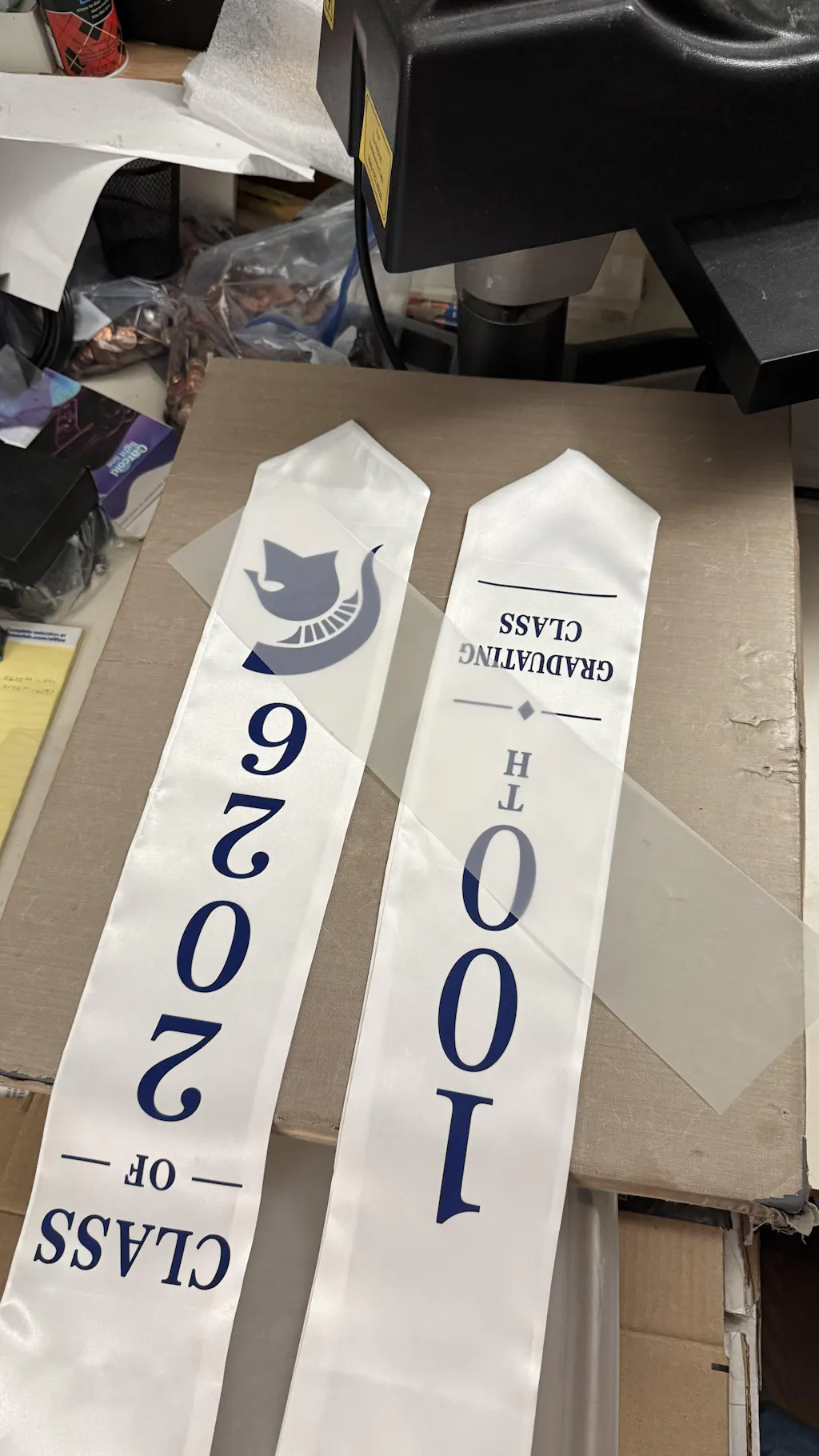
These transfers arrive at your door fully printed, powdered, and cured. They are essentially "stickers" for fabric that bond permanently under heat. This plug-and-play workflow allows you to focus on marketing and design rather than technical troubleshooting.
1. Unmatched Visual Depth and Color Accuracy
Capturing the attention of a customer requires vibrant, high-definition visuals. Standard printing methods often struggle with complex imagery, but this technology excels in that area.
-
Photographic Realism: You can print high-resolution photos with perfect clarity.
-
Gradient Perfection: Smooth transitions between colors are handled effortlessly.
-
Fine Detail Retention: Even hair-thin lines and tiny text remain sharp and legible.
Every design becomes an "eye-catching" masterpiece because the white ink underbase ensures colors pop against any fabric color.
2. Breaking the Fabric Barrier
One of the most frustrating aspects of older technology was the limitation on materials. Sublimation, for example, only works on light-colored polyester.
Direct to Film transfers ready to press offer total freedom. You can apply these designs to:
-
Pure Cotton: The gold standard for high-quality streetwear.
-
Performance Synthetics: Ideal for moisture-wicking gym wear.
-
Denim and Canvas: Transform jackets and tote bags into art.
-
Leather and Blends: Expand your catalog with unique accessory items.
3. A Weed-Free Revolution for Busy Creators
Weeding vinyl is perhaps the most time-consuming task in a custom shop. It is a manual process that limits how many orders you can fulfill in a day.
By switching to Direct to Film transfers ready to press, you reclaim your time. The film only releases the ink where the design exists. There is no excess material to pick away. This means you can:
-
Process bulk orders in a fraction of the time.
-
Reduce physical strain on your production team.
-
Ensure every shirt is identical, removing the risk of "human error" during weeding.
4. Built for Longevity and Everyday Wear
A design is only as good as its durability. Consumers in 2026 demand products that stand the test of time and repeated washing.
The chemistry behind these transfers is specifically engineered for a life in motion. The adhesive creates a rubber-like bond that is incredibly resilient.
-
Stretchability: The print moves with the fabric and does not crack when pulled.
-
Wash Resistance: Designs typically survive 50 to 60 washes without fading.
-
Premium Feel: The thin layer of ink provides a soft-hand feel that rivals high-end retail prints.
How to Achieve Perfection: The Pressing Process
Success with Direct to Film transfers ready to press depends on a few critical steps. Following these instructions ensures your "eye-catching" designs stay permanent.
Prepare the Surface
Always pre-press your garment for 5 seconds. This simple act removes hidden moisture and flattens the fibers. If moisture is trapped under the film, the bond will be weak.
Execute the Heat Press
Place your transfer and press at 155°C (310°F) for 12 to 15 seconds. Use medium-to-firm pressure to ensure the adhesive penetrates the fabric grain deeply.
The Cooling Phase
Most premium films are "Cold Peel." Wait for the garment to be cool to the touch before removing the film. This allows the adhesive to set properly, ensuring a crisp transfer.
The Finishing Touch
Once the film is removed, press the design again for 5 seconds using a protective sheet. bu This creates a matte finish and further embeds the ink into the textile for maximum durability.
Scaling Your Business with Zero Inventory Risk
Starting a clothing line used to mean buying hundreds of pre-printed shirts. If a design didn't sell, you were stuck with "dead stock."
Direct to Film transfer ready to press allow for an "on-demand" business model. You can keep a stock of blank shirts and a folder of transfers. You only press the shirt once the customer has paid. This protects your cash flow and allows you to experiment with hundreds of "eye-catching" designs without financial risk.
Sustainability and Modern Production
Eco-consciousness is no longer a trend; it is a necessity. This printing method is significantly cleaner than traditional screen printing.
-
Water Conservation: The process uses almost zero water.
-
Chemical Safety: Most high-quality transfers use non-toxic, water-based pigment inks.
-
Waste Reduction: Because you only print what you need, there is less textile waste heading to landfills.
Conclusion: The Future of Apparel Brilliance
The barriers to entry in the fashion world have never been lower. Direct to Film transfer ready to press provide the speed, quality, and versatility that modern brands require.
Whether you are creating a local brand or a global empire, these transfers offer the consistency you need to thrive. Focus on your creativity, trust the technology, and watch your designs capture the eyes of the world.
Leave a Comment