


DTF Material Compatibility: A Comprehensive Guide to Fabric Versatility
DTF (Direct to Film) transfer technology has redefined the digital textile printing industry with its incredible flexibility. Unlike traditional methods that limit you to specific fabric types, DTF allows for high-quality printing on a vast range of materials.
In this guide, we explore which materials are compatible with DTF and how you can achieve the best results for your projects.
Which Fabrics Are Compatible with DTF?
The primary advantage of DTF printing is its ability to adhere to almost any textile surface. Whether you are working with natural fibers or synthetic blends, the colors remain vibrant and the durability stays high.
-
Cotton Fabrics: The most popular choice for t-shirts and hoodies. DTF ink penetrates the fibers deeply for a long-lasting finish.
-
Polyester: Ideal for sportswear and jerseys. DTF can be applied at controlled temperatures to prevent dye migration.
-
Nylon and Synthetics: Perfect for windbreakers, jackets, and bags. The elastic nature of the transfer prevents cracking.
-
Denim: Provides high opacity and excellent coverage on thick, textured surfaces like jeans and denim jackets.
-
Leather and Synthetic Leather: Offers a unique way to personalize accessories such as wallets, belts, and bags.
Why Choose DTF Transfer?
DTF printing is not just about material variety; it is about performance. After application, the print feels soft to the touch and offers high elasticity.
-
Superior Flexibility: The print stretches with the fabric and does not crack under pressure.
-
Wash Resistance: Colors remain bright and intact even after numerous industrial wash cycles.
-
Dark Fabric Compatibility: Provides stunning, vivid results on black or navy blue surfaces without losing color depth.
-
Efficiency: No weeding is required, which significantly speeds up the production process.
For eye-catching designs with a touch of shimmer, check out our
Specialized Materials and Technical Details
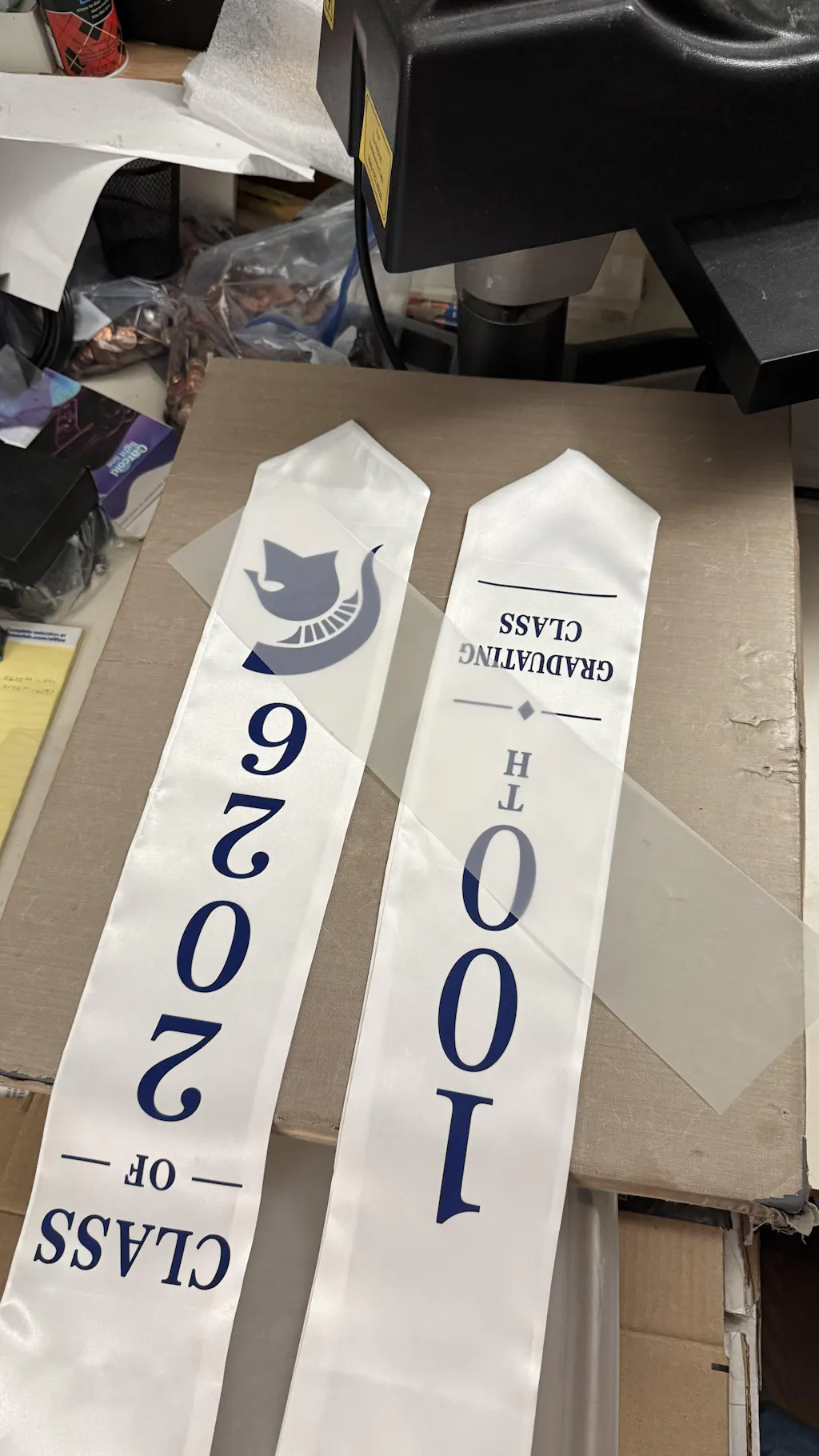
DTF is not limited to apparel. It is widely used for promotional items and home decor. Canvas prints, pillowcases, and even certain treated technical fabrics can be customized using this method.
The secret to durability lies in the hot melt adhesive powder. High-quality powder ensures a strong bond between the ink and the fabric. Additionally, using certified inks ensures that the products are eco-friendly and safe for skin contact.
Follow Us on Social Media
Stay updated with the latest DTF printing techniques, application tutorials, and new product launches by following our official channels:
-
YouTube:
Fast DTF Transfer -
Instagram:
@fastdtftransfer -
TikTok:
@fastdtftransfer -
Facebook:
Fast DTF Print
3 Rules for the Perfect DTF Application
To ensure maximum compatibility with your chosen material, follow these professional tips:
Heat and Pressure Settings: Every fabric has a different heat tolerance. Use lower temperatures for polyester and standard 150-160°C for cotton.
Pre-Pressing: Always press the fabric for 3-5 seconds before applying the film. This removes moisture and flattens the fibers for better adhesion.
Cold Peel Method: Most DTF films provide the cleanest results when peeled after they have cooled down completely. This ensures sharp edges and fine details.
Conclusion
DTF transfer makes it possible to print on surfaces once thought "impossible" in the textile world. From cotton to nylon, and leather to denim, you can achieve professional-grade results on almost anything. Elevate your brand by choosing high-quality transfers and the right equipment.
Don't forget to browse our collections for fast and reliable printing solutions!
Leave a Comment