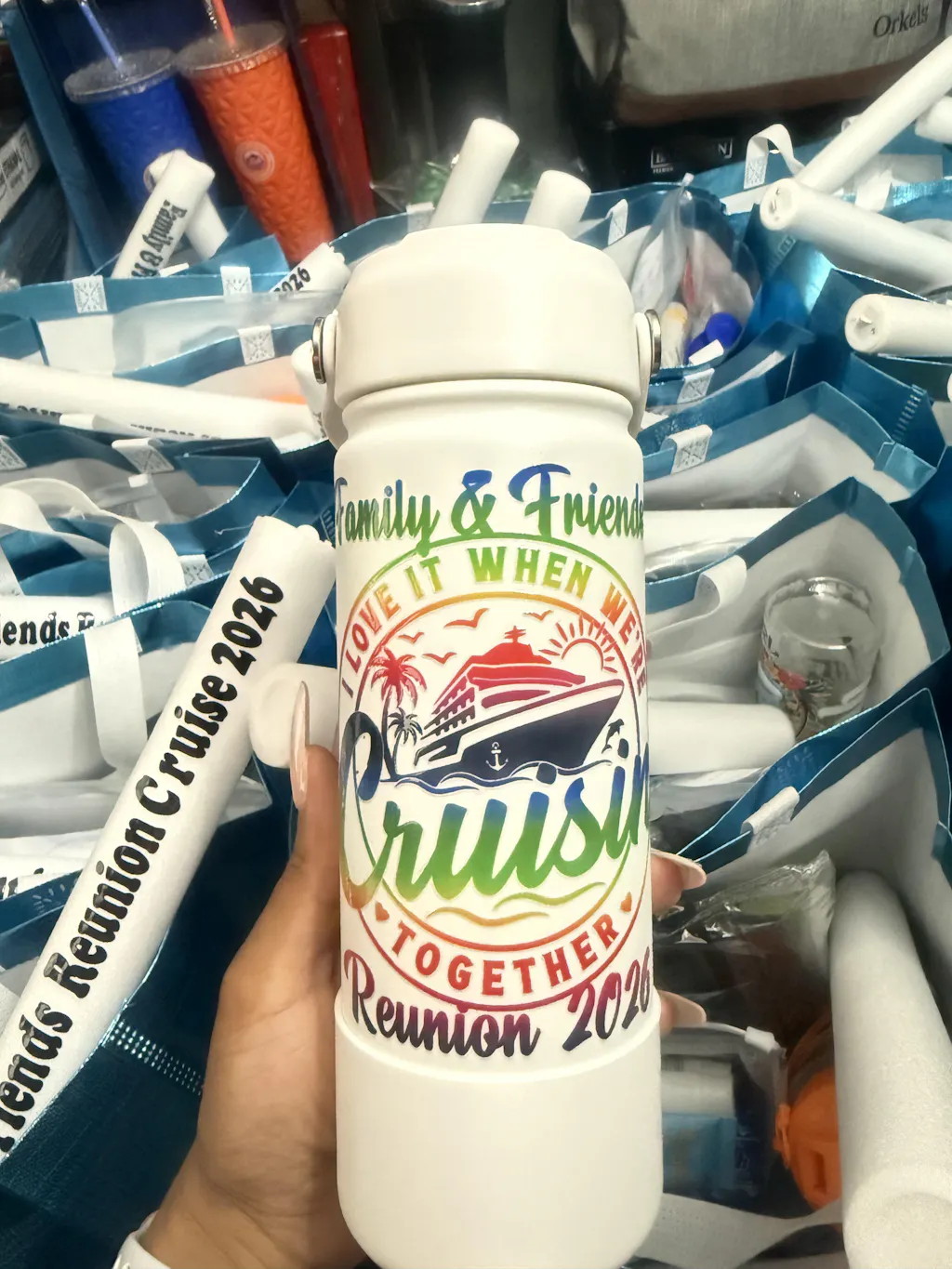
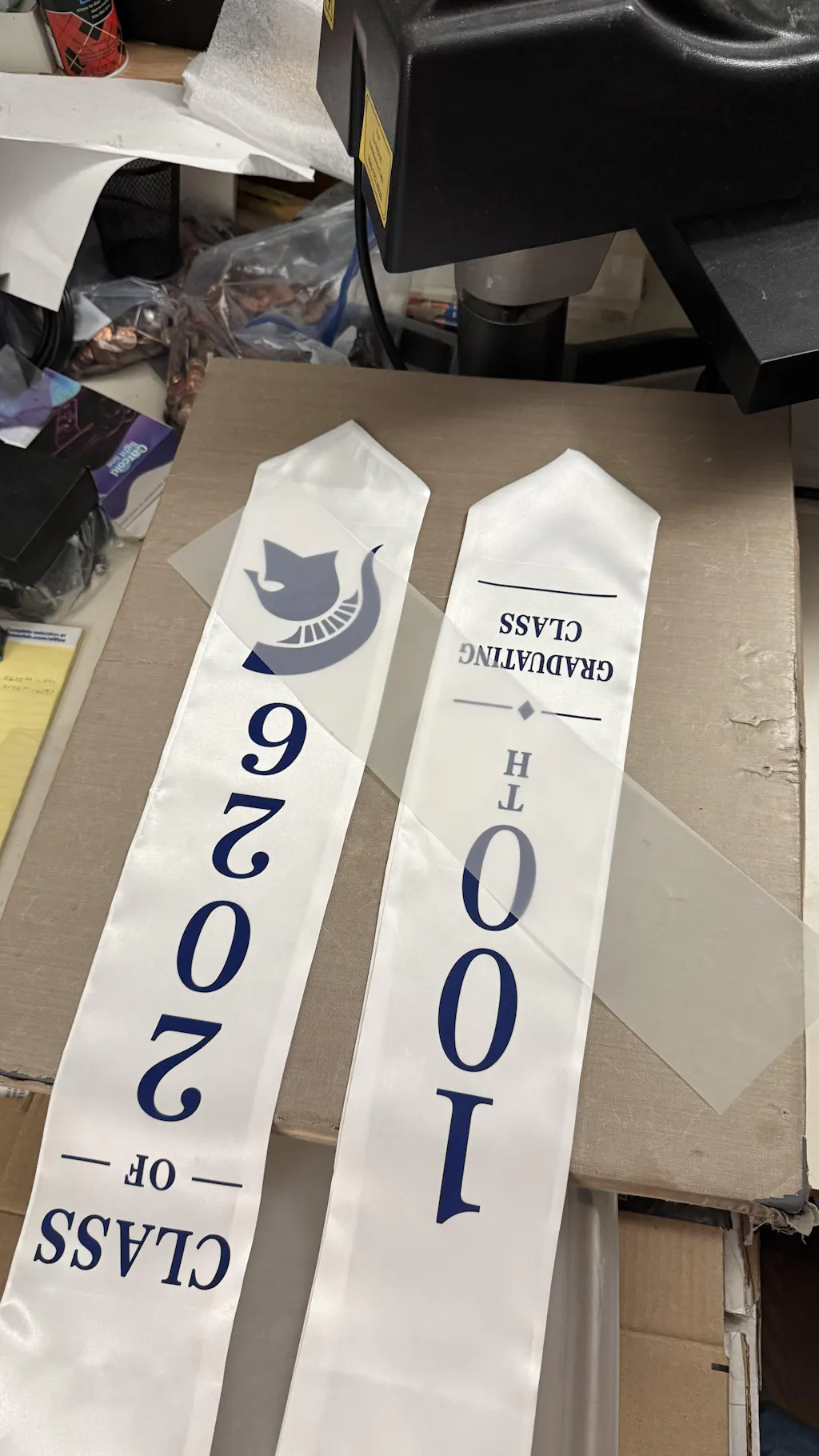
Five Essential Tools for Direct-to-Film (DTF) Printing: The Ultimate 2026 Guide
The apparel decoration industry has seen many trends, but few have been as revolutionary as Direct-to-Film (DTF) Printing. This technology has bridged the gap between the high quality of screen printing and the flexibility of digital transfers. By 2026, it has become the gold standard for small businesses and industrial giants alike.
To produce retail-quality garments that last, you cannot rely on shortcuts. Success in this field depends on a specific ecosystem of hardware and consumables. If you are looking to master this craft, you must understand the five pillars of the process.
Below is a detailed breakdown of the Five Essential Tools for Direct-to-Film (DTF) Printing required for professional results.
1. The Specialized Direct-to-Film (DTF) Printer
The heart of your operation is the printer. You cannot use a standard desktop inkjet for this process. A professional Direct-to-Film (DTF) Printing printer is engineered to handle specialized textile inks.
The most critical feature of these printers is the White Ink Circulation System. White ink contains titanium dioxide, which is heavy and tends to settle. A dedicated printer keeps this ink moving to prevent clogs.
-
Precision Print Heads: These handle the simultaneous layering of CMYK and White inks.
-
Ink Compatibility: Built to resist the corrosive nature of textile pigments.
-
Media Handling: Designed to grip and feed PET films without slipping or static buildup.
2. Premium PET Transfer Film
The "Film" in Direct-to-Film (DTF) Printing is not just a piece of plastic. It is a specially coated PET (Polyethylene Terephthalate) carrier. This coating is what allows the wet ink to stay in place without bleeding.
In 2026, you have two main choices: Cold Peel and Hot Peel. Cold peel films provide a matte, textured finish. Hot peel films allow for faster production times as you can remove the film immediately after pressing.
-
Ink Absorption: A high-quality film must hold a heavy white underbase without "pooling."
-
Release Coating: The coating must release the ink completely during the heat press stage.
-
Anti-Static Properties: This prevents the adhesive powder from sticking to areas where there is no ink.
3. DTF Adhesive Powder and Ink
Think of the ink and powder as the "soul" of the garment. In the Direct-to-Film (DTF) Printing workflow, the ink creates the visual, but the powder creates the bond.
The adhesive powder is a TPU (Thermoplastic Polyurethane) material. When heated, it turns into a powerful glue that sinks into the fabric fibers. High-quality inks must be vibrant and stretchable to prevent the design from cracking.
-
Stretchability: Essential for performance wear and cotton blends.
-
Soft Hand-Feel: Fine powders yield a thinner, softer print on the shirt.
-
Wash Fastness: Professional-grade consumables ensure the print survives 50+ washes.
4. The Curing Oven or Powder Shaker
Once the ink is printed and the powder is applied, the film must be "cured." This is where the powder melts into a sticky, gel-like state.
While hobbyists might use a heat press for this, a DTF Printing Curing Oven is the professional choice. For high-volume shops, an Automated Powder Shaker and Dryer is used to automate the entire process from the printer's output.
-
Consistent Heat: Ovens ensure the entire film reaches the correct temperature.
-
Safety: Most ovens now include air filtration to manage fumes from the melting powder.
-
Efficiency: Automated shakers remove excess powder perfectly, reducing waste and mess.
5. High-Pressure Heat Press
The final tool in the Five Essential Tools for DTF Printing list is the heat press. This is what transfers the design from the film to the final product.
A cheap "swing-away" or "clam-shell" press might work for vinyl, but DTF requires precision. You need a press that offers consistent temperature across the entire plate and significant pressure.
-
Pressure Control: High pressure is required to force the melted adhesive into the garment's weave.
-
Digital Accuracy: 2026 models offer digital timers and thermostats to prevent scorching.
-
Threadability: A good press allows you to "dress" the lower platen with the shirt for a flat, even surface.
The DTF Printing Workflow
Understanding how these five tools interact is key to a smooth production day. Here is the step-by-step logic:
-
Print: The printer lays down the CMYK design followed by a White underbase on the PET film.
-
Powder: While the ink is wet, adhesive powder is applied and the excess is shaken off.
-
Cure: The film goes into the oven to melt the powder.
-
Press: The cured film is placed on the garment and pressed at roughly 150°C to 160°C.
-
Peel: Once the temperature is right (based on the film type), the PET carrier is peeled away.
Why These Tools Matter for Your Business
Investing in these Five Essential Tools for DTF Printing protects your brand reputation. Using the wrong tools leads to common failures.
Common Issues from Poor Tooling:
-
Peeling: Usually caused by a weak heat press or low-quality adhesive powder.
-
Clogging: The result of using a standard printer without a circulation system.
-
Color Fading: Happens when using cheap, non-textile grade inks.
Maintenance: Keeping Your Tools Alive
Owning the tools is only half the battle. Maintenance is the other half. DTF Printing equipment requires daily attention.
-
Daily Print Head Cleans: Prevents the white ink from drying and causing permanent damage.
-
Environmental Control: Maintain a humidity level of 40-60% in your print room.
-
Heat Press Calibration: Regularly check your press with a thermometer to ensure the display matches the plate.
Conclusion: Building a Foundation for Success
The DTF Printing market is growing because it offers a durable, vibrant, and flexible solution for apparel. By securing these five essential tools, you are setting yourself up for professional-grade production.
As we move through 2026, technology will continue to get faster and cleaner. However, the core principles of the printer, film, ink, oven, and press will remain the foundation of every successful custom apparel shop.