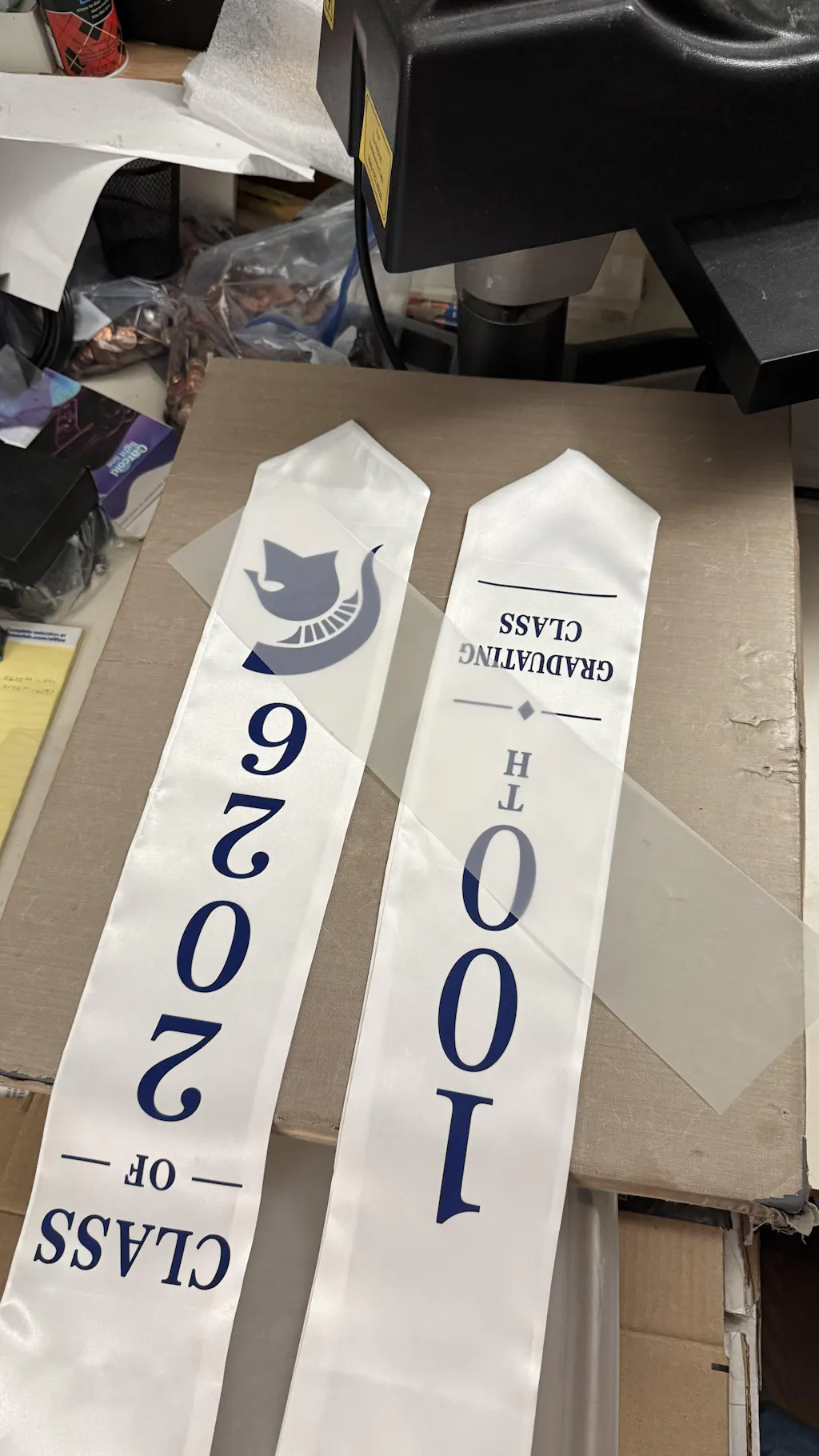
DTF Print
When investing in custom apparel, the first question on everyone's mind is longevity. Nobody wants a beautiful design that cracks or peels after a single wash. In 2026, DTF print (Direct-to-Film) has set a new standard for durability in the garment industry.
When applied correctly, these prints are designed to outlast the garment itself. But what exactly determines that lifespan? From the chemistry of the ink to how you handle your laundry, several factors play a role in maintaining that "day-one" brilliance.
The Average Lifespan: What to Expect
A high-quality DTF Print transfer, applied under optimal conditions, typically lasts between 50 to 60 wash cycles. For the average person, this equates to several years of regular wear.
Unlike older transfer technologies, modern films do not "sit" on top of the fabric like a plastic sticker. Instead, the heat-activated adhesive bonds with the fibers. This creates a flexible, integrated layer that moves with the cloth.
Key Factors That Influence Longevity
Not all prints are created equal. The "brilliance" of a long-lasting shirt depends on three main pillars: material quality, application technique, and aftercare.
-
Ink Quality: Premium pigment inks are highly resistant to UV rays and chemical breakdown.
-
Adhesive Strength: The TPU (Thermoplastic Polyurethane) powder must be evenly cured to create a permanent bond.
-
Fabric Composition: Prints on 100% cotton often last longer than those on high-stretch synthetics, though both are highly durable.
-
Pressure and Heat: If the initial press was too weak, the design will eventually lift at the edges.
The "Stretch Test": Why DTF Print Wins
One of the reasons DTF print is so durable is its incredible elasticity. If you pull the fabric, the print stretches with it. When you let go, it snaps back into its original shape.
This flexibility prevents the "spider-web" cracking common in traditional screen printing or thick vinyl. Because the ink layer is thin and the adhesive is rubber-like, it can handle the mechanical stress of being worn and moved in every day.
How to Identify a Long-Lasting DTF Print
You can often tell how long a print will last just by touching it. A professional-grade application should have the following characteristics:
-
Soft Hand Feel: It should feel smooth and integrated into the fabric, not rough or stiff.
-
Matte Finish: A slight matte texture often indicates a successful "finishing press," which locks the ink in.
-
No Edge Lifting: The borders of the design should be completely flush with the garment.
-
Vibrant Opacity: Colors should remain solid even when the fabric is slightly stretched.
Common Enemies of Print Durability
Even the toughest DTF printing results can be damaged if they are mistreated. To ensure your designs last for years, you must avoid these common pitfalls:
Extreme Heat
High-heat dryer settings are the primary enemy. Excessive heat can re-soften the adhesive over time, causing the design to warp or become sticky.
Harsh Chemicals
Bleach and heavy-duty industrial detergents break down the pigment in the ink. This leads to premature fading and a "washed-out" look.
Mechanical Abrasion
Washing a shirt with heavy items like jeans or jackets can cause the zippers and buttons to rub against the print. This physical friction can eventually "scuff" the surface of the design.
Professional Tips for Maximum Longevity
If you are a business owner, you want your customers to be impressed by the quality of your work. Follow these professional steps to ensure your products stand the test of time:
-
The Second Press: Always perform a 5-second "finishing press" after the film is peeled. This ensures the ink is fully embedded.
-
Moisture Removal: Pre-press the garment for 5 seconds before applying the film. Any trapped moisture will turn into steam and weaken the bond.
-
Pressure Calibration: Use a heavy pressure setting. A light press is the number one cause of designs peeling after the first wash.
Maintenance: How to Wash for 50+ Cycles
To keep the "brilliance" alive, you should provide your customers with specific care instructions. A little bit of care goes a long way in preserving the art.
-
Turn it Inside Out: This protects the face of the print from rubbing against other clothes.
-
Cold Water Only: Cold water is gentler on both the fabric and the adhesive bond.
-
Air Dry When Possible: If you must use a dryer, use the "Tumble Dry Low" or "Delicate" setting.
-
Skip the Iron: Never run a hot iron directly over the print. If the shirt is wrinkled, iron it from the inside.
Conclusion: Built for the Long Haul
The future of custom apparel is defined by durability. DTF printing has proven that you don't have to choose between high-detail beauty and long-term wear. By combining advanced chemistry with the right application techniques, these prints can easily survive years of use.
Whether you are building a premium streetwear brand or creating custom uniforms for a local business, you can trust that your designs will stay vibrant, flexible, and intact. The key to brilliance is not just how it looks today, but how it looks fifty washes from now.