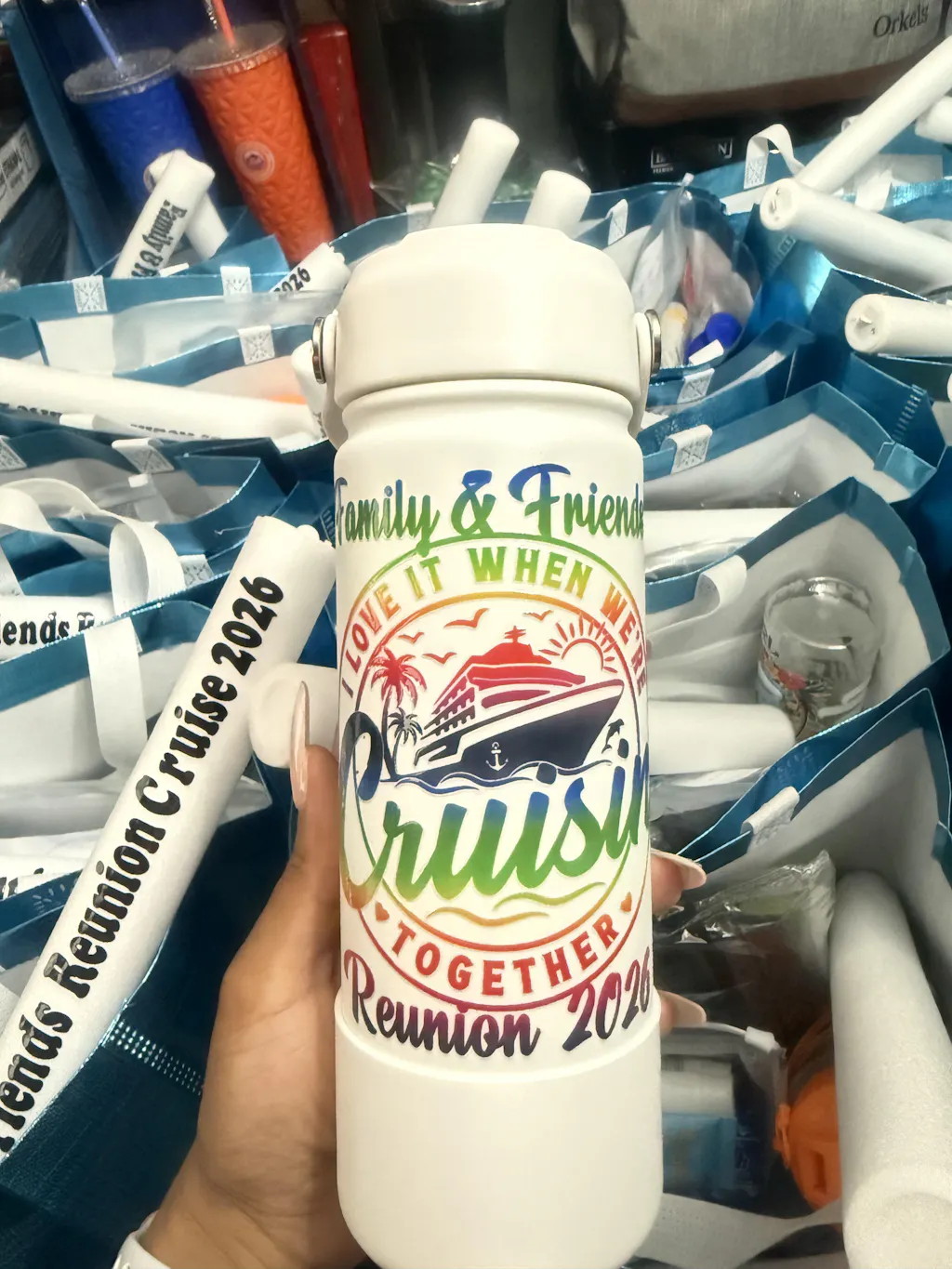
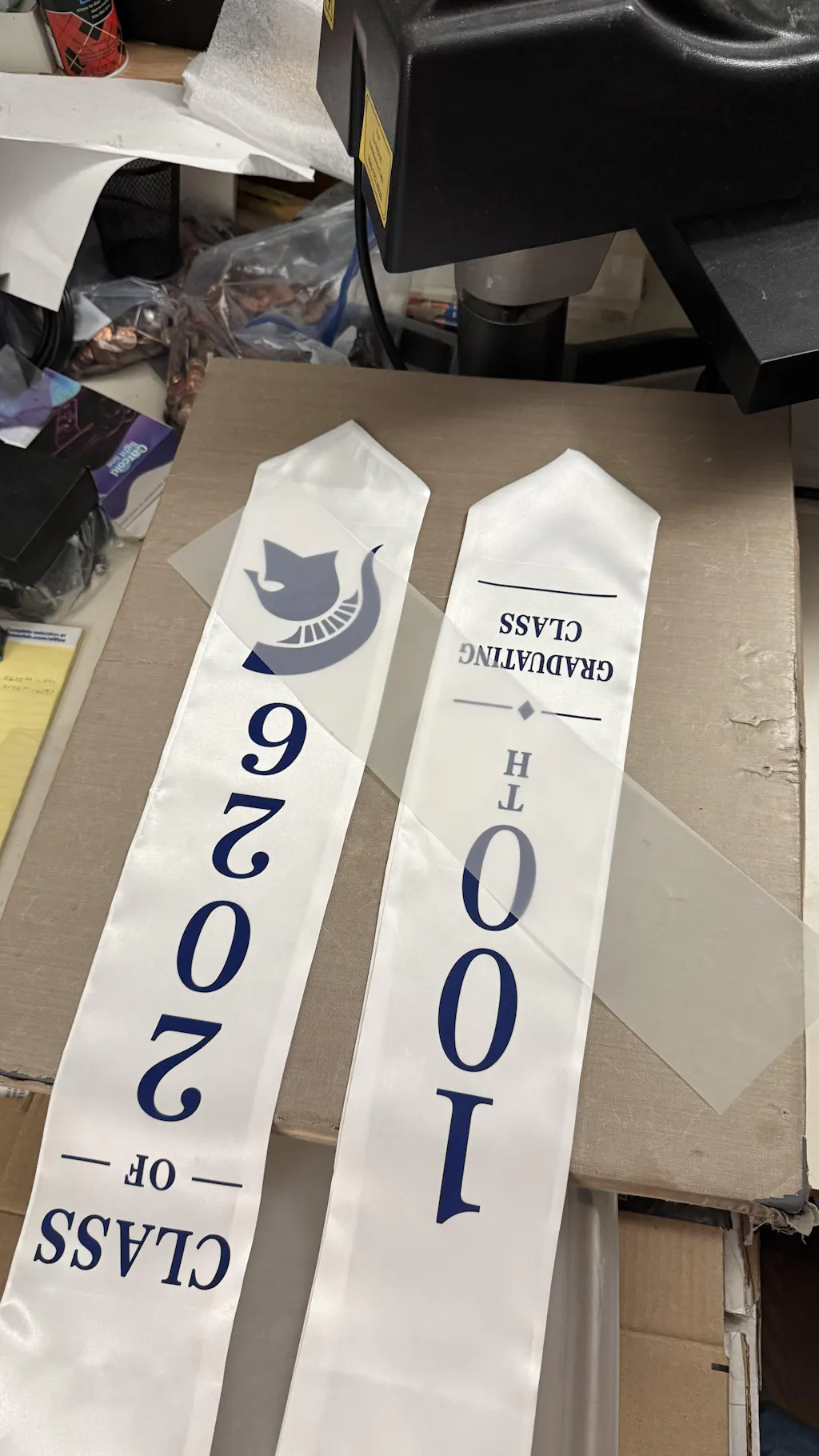
Understanding the DTF Printing Process
The custom apparel industry has been transformed by DTF Printing Process technology. This method stands for "Direct to Film." It allows creators to print designs onto a special film and transfer them onto various fabrics.
Unlike older methods, DTF is fast and incredibly versatile. It works perfectly on cotton, polyester, and even dark fabrics. If you want professional results, you must master each step of the process.
The Core Steps of DTF Printing
The process is straightforward but requires precision. Each stage ensures that your final product is durable and vibrant.
-
Design Creation: Prepare your artwork in high resolution (300 DPI).
-
Printing: The printer applies CMYK colors first, then a white ink base.
-
Powdering: An adhesive powder is applied to the wet ink.
-
Curing: The film is heated to melt the powder into a glue.
-
Pressing: The design is heat-pressed onto the garment.
Why Quality Supplies Matter
To get the best out of the DTF Printing Transfer process, your materials must be top-notch. Using low-quality components will lead to dull colors or peeling designs.
The foundation of every great print is
How to Execute the Transfer Perfectly
Success lies in the details of the heat application. Follow these guidelines for a flawless finish:
1. Film Selection and Size
Choose a film that matches your project. Whether you are doing small labels or large back prints, check our
2. The Powdering Phase
Apply the TPU adhesive powder while the ink is still wet. Shake off the excess carefully. If you leave extra powder, it can create spots on the fabric around your design.
3. Curing the Film
Heat the film until the powder turns into a shiny, "orange peel" texture. This indicates the adhesive is ready to bond with the fabric fibers.
4. The Final Press
Set your heat press to 160°C. Press for 15 seconds with medium pressure. Always wait for the film to cool completely before peeling if you are using cold-peel film.
Advantages of the DTF Method
Many businesses are switching to this process because of its undeniable benefits:
-
No Pre-treatment: Unlike DTG, you don't need to spray the shirts with liquid.
-
Extreme Durability: The prints are highly stretchable and won't crack.
-
Any Fabric: You can print on nylon, canvas, and performance polyester.
-
Low Cost: Using bulk
DTF Ink
Stay Connected for Expert Tips
The DTF Printing Process is always evolving. We share the latest techniques and troubleshooting guides on our social media platforms. Join our community to improve your craft:
-
Watch Full Tutorials:
YouTube -
See Daily Results:
Instagram -
Quick Tips & Tricks:
TikTok -
Join the Discussion:
Facebook
Conclusion: Elevate Your Production
Mastering the DTF Printing Transfer workflow allows you to produce retail-quality clothing from home or a small studio. By focusing on quality
Start experimenting with different