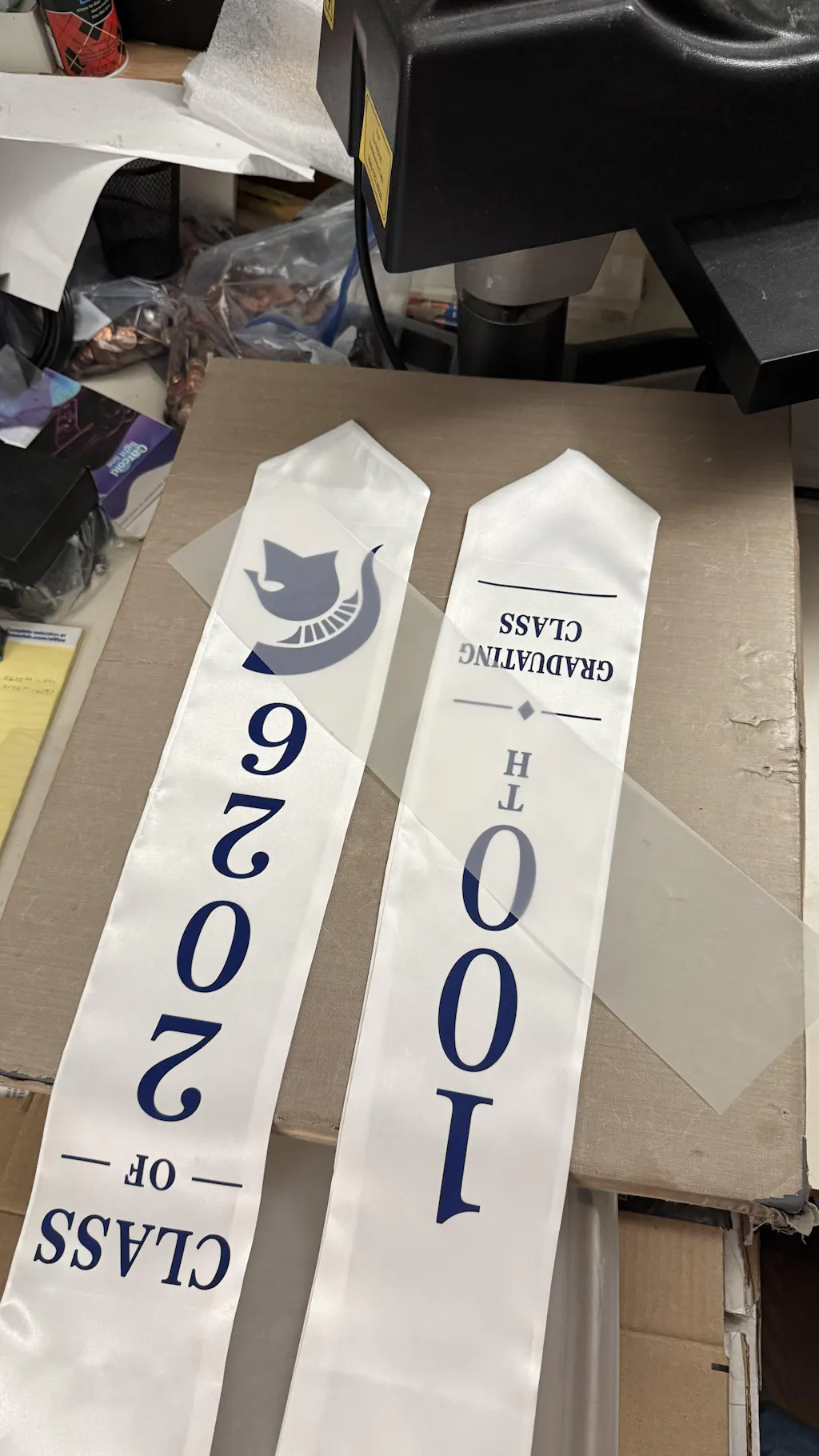
DTF Printing Transfer - Eco-Friendly Practice
Sustainability is becoming the heart of the modern textile industry. Traditional printing methods often consume massive amounts of water and use harsh chemicals. Direct to Film (DTF) DTF Printing Transfer offers a cleaner, more efficient alternative. It helps businesses reduce their carbon footprint while maintaining high-quality results.
Adopting eco-friendly practices in your print shop is no longer just an option; it is a necessity for long-term growth. By choosing the right materials and optimizing your workflow, you can provide top-tier products that respect the environment.
To start your journey with professional and efficient solutions, explore our high-quality
1. Why DTF Printing Transfer is a Greener Choice
Compared to traditional screen printing or dyeing, DTF technology is significantly more eco-friendly. It addresses several environmental concerns in a single process.
-
Water Conservation: DTF is a dry process that requires almost no water, unlike screen printing which needs constant washing.
-
Reduced Chemical Waste: Digital printing only uses the exact amount of ink needed for the design.
-
Energy Efficiency: Modern DTF printers and curing ovens are designed to consume less power than large-scale industrial machinery.
-
Lower Carbon Footprint: Smaller equipment and faster production times mean less energy used per garment.
2. Eco-Friendly Materials in DTF
The secret to sustainable textile printing lies in the consumables. Choosing the right inks and films makes a huge difference.
-
Water-Based Inks: Most high-quality DTF inks are water-based. They contain fewer volatile organic compounds (VOCs) than solvent-based inks.
-
Recyclable PET Films: Many DTF carrier films are now made from recyclable materials, reducing plastic waste in landfills.
-
OEKO-TEX Certified Powders: Using certified adhesive powders ensures that the final product is safe for human skin and the environment.
3. Reducing Waste in Your Production
Sustainability is also about efficiency. A well-managed workflow prevents unnecessary material loss.
-
Use Gang Sheets: Grouping multiple designs on one sheet maximizes film usage and reduces scrap material.
-
Precision Printing: Digital systems eliminate the "trial and error" waste common in manual setup processes.
-
Recycle Film Scraps: Collect and recycle the PET film carriers after they have been peeled from the garment.
-
Proper Maintenance: Keeping your printer clean prevents misprints and saves both ink and film.
4. Building an Eco-Conscious Brand
Consumers today prefer brands that care about the planet. Marketing your use of sustainable DTF technology can boost your market share.
-
Transparent Labeling: Tell your customers that your prints are made using water-based, non-toxic inks.
-
Durability Matters: Long-lasting prints mean garments aren't thrown away quickly. This promotes a "slow fashion" mindset.
-
Versatility: Since DTF works on recycled polyester and organic cotton, you can offer a fully green product line.
Join the Fast DTF Community
At Fast DTF Transfer, we are committed to providing solutions that combine high performance with responsible practices. We help you stay ahead in the competitive printing world while protecting our environment.
Follow us for more tips on efficient and sustainable printing:
-
Facebook:
Fast DTF Print Official -
Instagram:
@fastdtftransfer -
YouTube:
Fast DTF Transfer Channel -
TikTok:
@fastdtftransfer