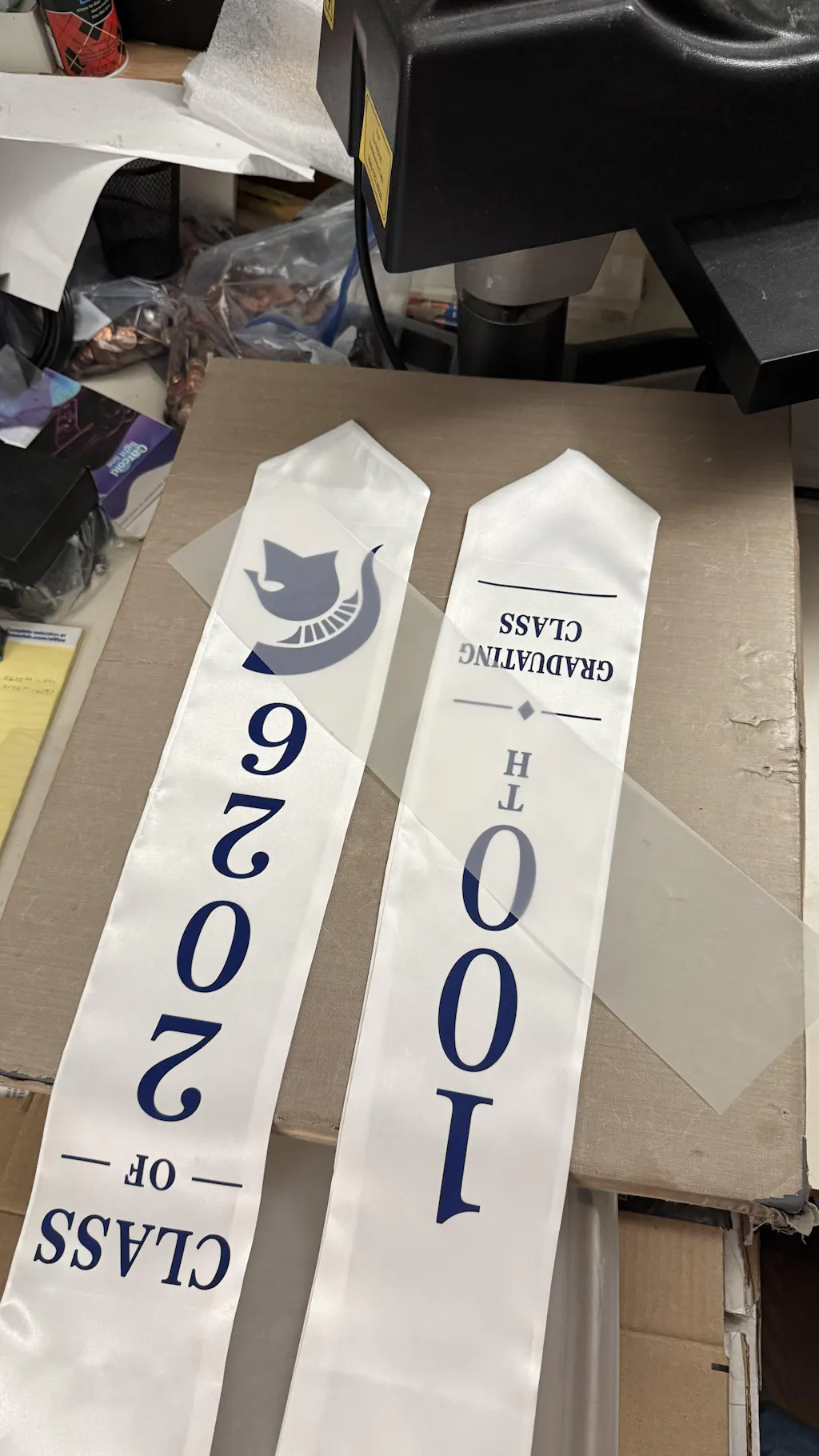
DTF Transfers for T-shirts
Custom apparel production has shifted dramatically in 2026. Business owners now demand faster, more durable, and more colorful solutions. DTF Transfers for T-shirts Direct to Film technology has emerged as the clear winner in this race. Unlike traditional methods, it offers a seamless way to print complex graphics on almost any fabric. This guide explores why this method is the gold standard for modern garment decoration.
What Exactly is DTF Printing?
Direct to Film (DTF) is a process that involves printing designs onto a special film. A hot-melt adhesive powder is then applied and cured. Once ready, you can transfer the design onto a T-shirt using a standard heat press. This technology is a subset of inkjet printing, using specialized pigments to ensure the design bonds permanently with the fabric fibers. It bridges the gap between digital convenience and industrial durability.
Why DTF is Better for DTF Transfers for T-shirts Businesses
Efficiency is the key to profitability in the apparel industry. Traditional screen printing requires expensive setups and messy screens. On the other hand, DTF allows for "print-on-demand" workflows. You can print a single custom shirt or a batch of one thousand with the same ease. There is no "weeding" required, which saves hours of manual labor compared to heat transfer vinyl.
Start Your Production Today
Get professional-grade, ready-to-press transfers delivered to your door.
Shop DTF Transfers for T-shirts →Fabric Versatility: Beyond Just Cotton
One of the greatest advantages of using these transfers is substrate flexibility. Many digital methods are limited to 100% cotton or high-polyester blends. DTF transfers work perfectly on cotton, polyester, nylon, and even treated leather. This allows you to expand your product line from simple T-shirts to hoodies, tote bags, and activewear without changing your equipment or materials.
Key Steps for a Perfect Application
To achieve a professional "soft-feel" finish, you must follow the correct technical parameters. Most transfers require a heat press temperature between 150°C and 160°C. Pressure should be firm and consistent across the entire design. After the initial press, wait for the film to cool completely (cold peel) for the best results. A quick second press with a finishing sheet will further increase the wash-fastness of the garment.
Conclusion: The Future of Apparel is Here
In summary, the transition to digital film transfers is no longer a luxury—it is a necessity for growth. By choosing high-quality DTF Transfers for T-shirts, you ensure your customers receive products that look great and last long. Whether you are starting a small side hustle or running a large-scale factory, the scalability of this technology will drive your success. Invest in the right materials today and let your creativity lead the way.