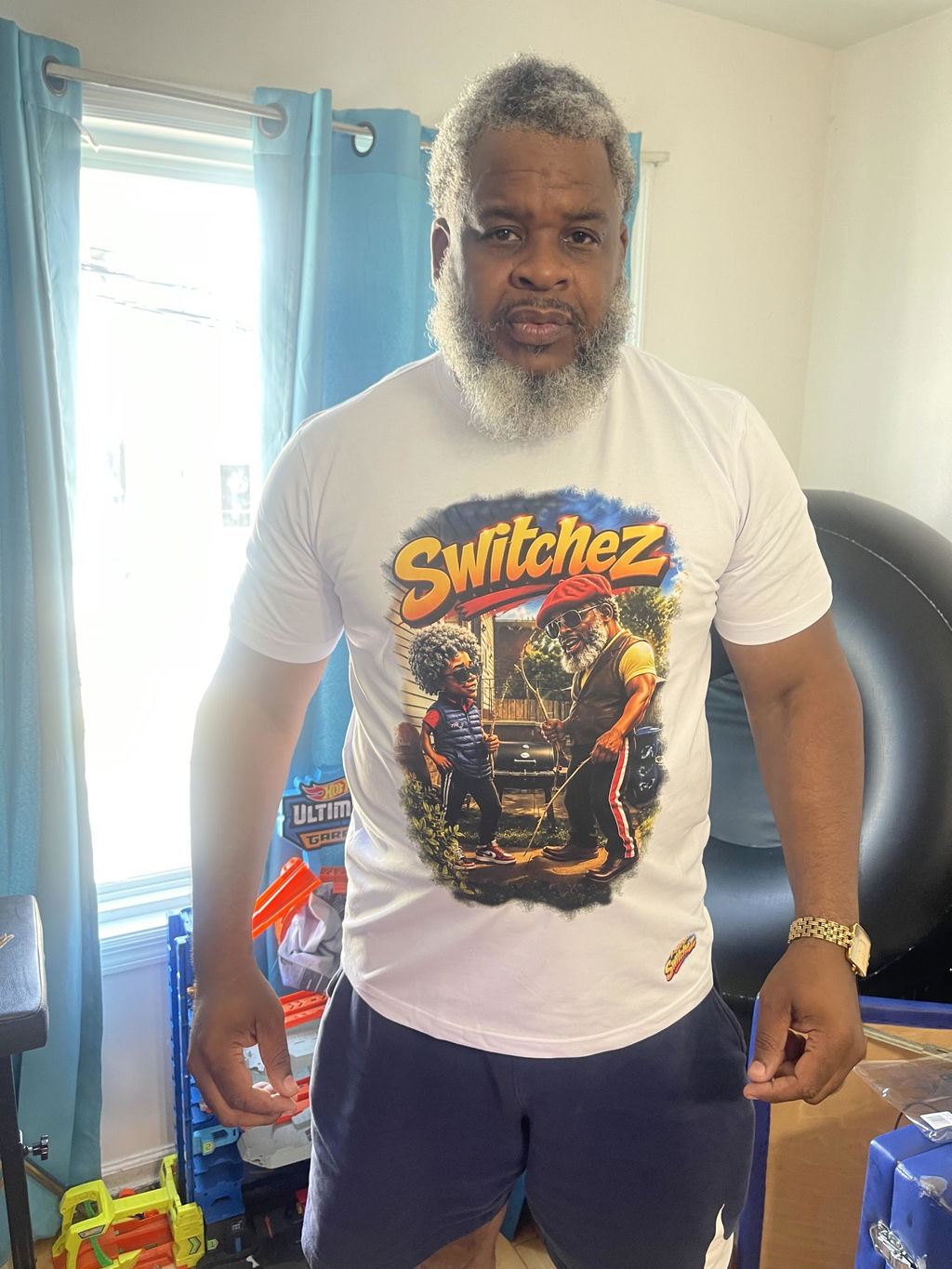
Printers for Heat Transfer printing has become one of the most widely used methods in the custom apparel industry. Businesses, clothing brands, print shops, and entrepreneurs rely on heat transfer technology to create vibrant, durable, and professional-quality designs on garments. As demand for personalized clothing continues to grow, choosing the right type of printer has become a critical decision for production efficiency and print quality.
Today, several different printer technologies are used for heat transfer applications. Each has its own strengths, limitations, and ideal use cases. Understanding these differences is essential for selecting the best solution for your business.
In this comprehensive guide, we will explore the best types of printers for heat transfer, how they work, their advantages, and how they fit into modern DTF and garment decoration workflows.
What Is Heat Transfer Printing?
Heat transfer printing is a process where designs are printed onto a special medium and then applied to fabric using heat and pressure. This method allows detailed and colorful graphics to be transferred onto garments such as t-shirts, hoodies, bags, and uniforms.
The technology is widely used in custom apparel production because it supports small batches, full-color designs, and fast turnaround times.
According to Wikipedia – Textile Printing, heat-based printing methods have evolved significantly from traditional techniques to advanced digital systems used today.
1. Inkjet Printers for Heat Transfer
Inkjet printers are one of the most common entry-level options for heat transfer printing. They work by spraying tiny droplets of ink onto transfer paper or film.
Advantages
- Affordable initial investment.
- Easy to use for beginners.
- Good color reproduction.
- Suitable for small-scale production.
Limitations
- Slower production speed.
- Limited durability without proper media.
- Higher cost per print in large volumes.
Inkjet printers are ideal for hobbyists, small businesses, and startups entering the custom apparel market.
2. Laser Printers for Heat Transfer
Laser printers use toner instead of liquid ink. The toner is fused onto transfer paper using heat, making it suitable for certain heat transfer applications.
Advantages
- Fast printing speed.
- Sharp and precise output.
- Low maintenance requirements.
- Cost-effective for text-based designs.
Limitations
- Limited color vibrancy compared to inkjet or DTF.
- Less suitable for photographic images.
- Restricted fabric compatibility.
Laser printers are commonly used for basic graphics, logos, and monochrome designs.
3. Sublimation Printers
Sublimation printers use special inks that convert from solid to gas when heated. The ink bonds with polyester fabrics at a molecular level.
Advantages
- Extremely vibrant and permanent prints.
- No feel on fabric surface.
- Excellent for polyester materials.
- High-resolution output.
Limitations
- Only works on polyester or coated materials.
- Not suitable for cotton fabrics.
- Requires specialized equipment and coatings.
Sublimation is widely used for sportswear, mugs, promotional items, and polyester apparel.
4. Direct-to-Film (DTF) Printers
DTF printers are currently one of the most advanced and popular solutions for heat transfer applications. They print designs onto PET film, which is then transferred onto garments using a heat press.
DTF technology has revolutionized the custom apparel industry by offering flexibility across different fabric types.
Advantages
- Works on cotton, polyester, and blends.
- High durability and wash resistance.
- Vibrant full-color printing.
- Ideal for small and large production runs.
- Cost-efficient scaling.
Why Businesses Prefer DTF
DTF printing removes many limitations of traditional methods and allows businesses to produce professional-quality apparel without complex setup requirements.
Businesses can streamline production using Custom DTF Transfers or optimize layouts with the Free DTF Gang Sheet Builder.
5. UV DTF Printers
UV DTF printers are designed for hard surface decoration rather than fabrics. They use UV-curable inks that are applied to film and transferred onto rigid materials.
Advantages
- Works on glass, plastic, metal, and acrylic.
- No heat press required on final object.
- Highly durable and scratch-resistant.
- Ideal for promotional products.
Applications
UV DTF technology is commonly used for drinkware, phone cases, packaging, and branding items.
Businesses can explore UV DTF Transfers and UV DTF Gang Sheets for scalable production.
Comparison of Printer Types
- Inkjet: Best for beginners and low-volume production.
- Laser: Best for fast, simple designs.
- Sublimation: Best for polyester-based products.
- DTF: Best for versatile garment printing.
- UV DTF: Best for hard surface customization.
Why DTF Printers Are Leading the Market
Among all heat transfer technologies, DTF printers are currently leading the market due to their flexibility and cost efficiency.
They allow businesses to produce high-quality designs without fabric limitations, making them ideal for modern print-on-demand models.
DTF printing also supports specialty effects such as Glitter DTF Transfers and Glow in the Dark DTF Transfers, which help businesses expand product offerings.
How to Choose the Best Printer for Your Business
Choosing the right printer depends on several factors.
- Production volume.
- Budget.
- Material types.
- Design complexity.
- Business model (retail, wholesale, or print-on-demand).
Small businesses often start with inkjet or sublimation systems, while growing companies transition to DTF or UV DTF technologies for scalability.
The Future of Heat Transfer Printing
The future of heat transfer printing is closely tied to automation, digital production, and personalization trends.
As demand for custom apparel grows, technologies like DTF and UV DTF will continue to dominate the industry due to their flexibility, efficiency, and high-quality output.
E-commerce growth, fast fashion trends, and consumer demand for personalization are expected to further accelerate this transformation.
Conclusion
Selecting the best type of printer for heat transfer depends on your business goals, production scale, and target market. Each printing technology offers unique advantages, but DTF printing stands out as one of the most versatile and scalable solutions available today.
Whether you are producing custom apparel, promotional products, or specialty items, modern printing technologies provide powerful tools for building a successful business.
Businesses can enhance their production workflows using DTF Transfers By Size, create optimized layouts with the Free DTF Gang Sheet Builder, and expand product offerings through specialty solutions available at Fast DTF Transfer.
As technology continues to evolve, choosing the right printer will remain a key factor in staying competitive in the growing custom apparel industry.