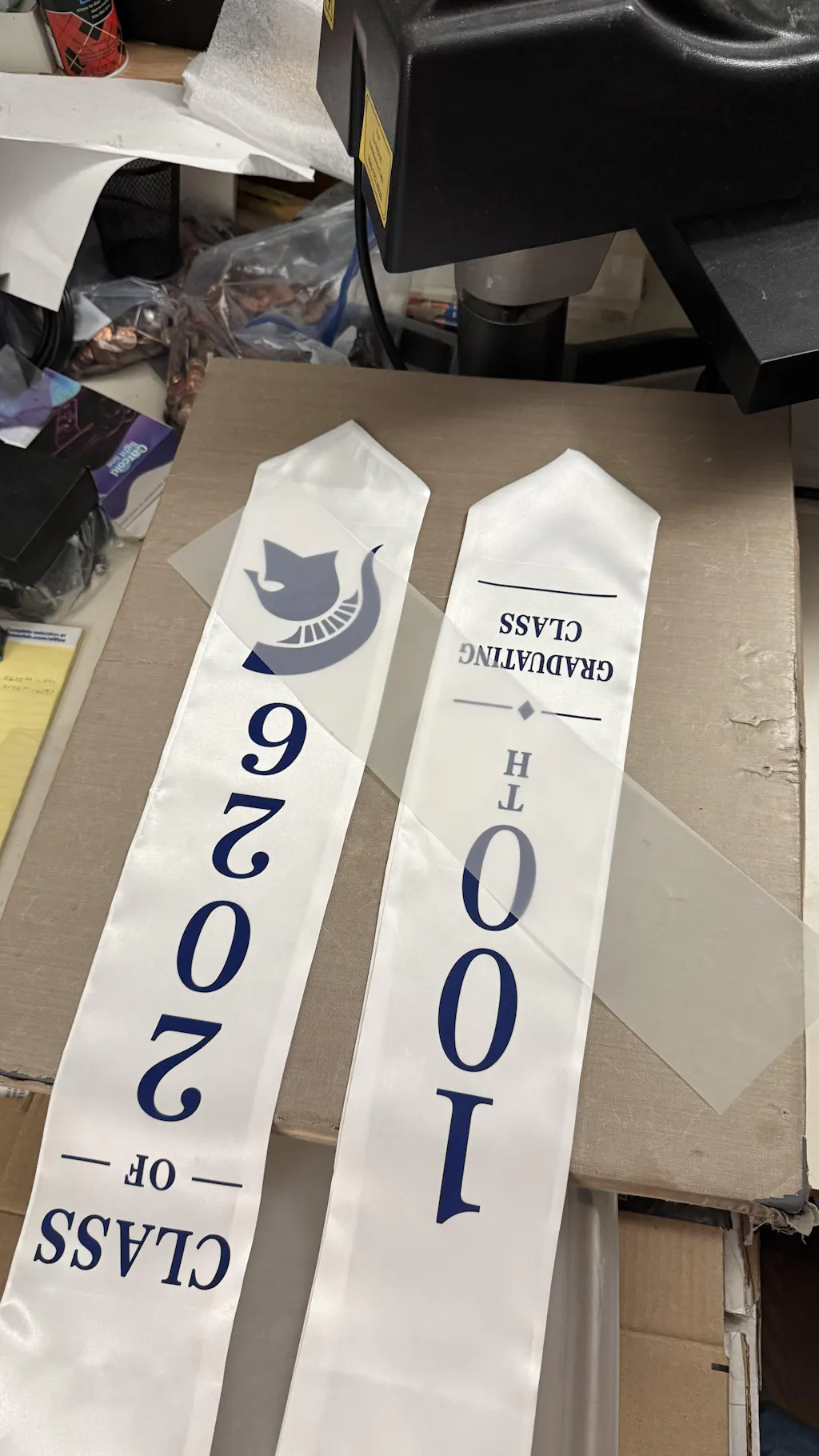
How to Apply DTF Transfers: A Step-by-Step Guide for Professionals
Direct to Film DTF Transfers has changed the world of custom apparel. It allows you to apply vibrant, durable designs to almost any fabric. Whether you are using cotton, polyester, or blends, the process is simple and efficient.
Getting a perfect result requires the right technique. If you follow the correct steps, your transfers will last for dozens of washes. This guide will walk you through the professional application process.
For those working on hard surfaces like glass or wood, don't forget to check out our
What You Need to Get Started DTF Transfers
Before you begin, ensure your workspace is clean and your equipment is ready.
-
DTF Transfer: Your custom design printed on film.
-
Heat Press: A professional press is recommended for even pressure.
-
Teflon Sheet: To protect the garment and the press platen.
-
Heat-Resistant Tape: Optional, but helpful for positioning.
-
The Garment: Pre-washed or lint-rolled for a clean surface.
Step-by-Step Application Process DTF Transfers
1. Pre-Heat Your Heat Press
Consistency is key. Set your heat press to the recommended settings. Usually, this is around 150°C to 160°C (300°F - 320°F). Wait for the press to reach the full temperature before starting.
2. Pre-Press the Garment
Place your fabric on the press and close it for 3 to 5 seconds. This step is vital. It removes moisture and flattens wrinkles. A dry, flat surface ensures the adhesive bonds perfectly to the fibers.
3. Position Your Transfer
Place your DTF transfer on the garment with the printed side facing down. Ensure it is centered and straight. If you are worried about the film shifting, use a small piece of heat-resistant tape to hold it in place.
4. The First Press
Cover the transfer with a Teflon sheet. Press the garment for 10 to 15 seconds using medium pressure. Do not use excessive pressure, as this can cause the adhesive to "bleed" out from under the design.
5. The Peeling Process (Cold Peel)
Most professional DTF films are Cold Peel. This means you must wait for the transfer to cool down completely to room temperature. If you peel it while hot, the design may lift or tear. Once cold, peel the film back in one smooth, steady motion.
6. The Finishing Press (The Secret to Durability)
After peeling the film, place the garment back on the press. Cover the design with a Teflon sheet or parchment paper. Press for another 5 to 10 seconds. This "finishing press" locks the ink into the fabric and gives it a soft, professional feel.
Common Mistakes to Avoid
-
Wrong Temperature: Too high can scorch the fabric; too low prevents a good bond.
-
Inconsistent Pressure: Always ensure your heat press is level.
-
Peeling Too Early: If using cold-peel film, patience is your best friend.
-
Ignoring Fabric Type: Synthetic fabrics may require a lower temperature to prevent melting.
Join the Fast DTF Transfer Community
At Fast DTF Transfer, we are dedicated to helping your business grow. We provide the tips, tricks, and high-quality materials you need to stay ahead of the competition.
Follow us for more tutorials, live demos, and inspiration:
-
Facebook:
Fast DTF Print Official -
Instagram:
@fastdtftransfer -
YouTube:
Fast DTF Transfer Channel -
TikTok:
@fastdtftransfer