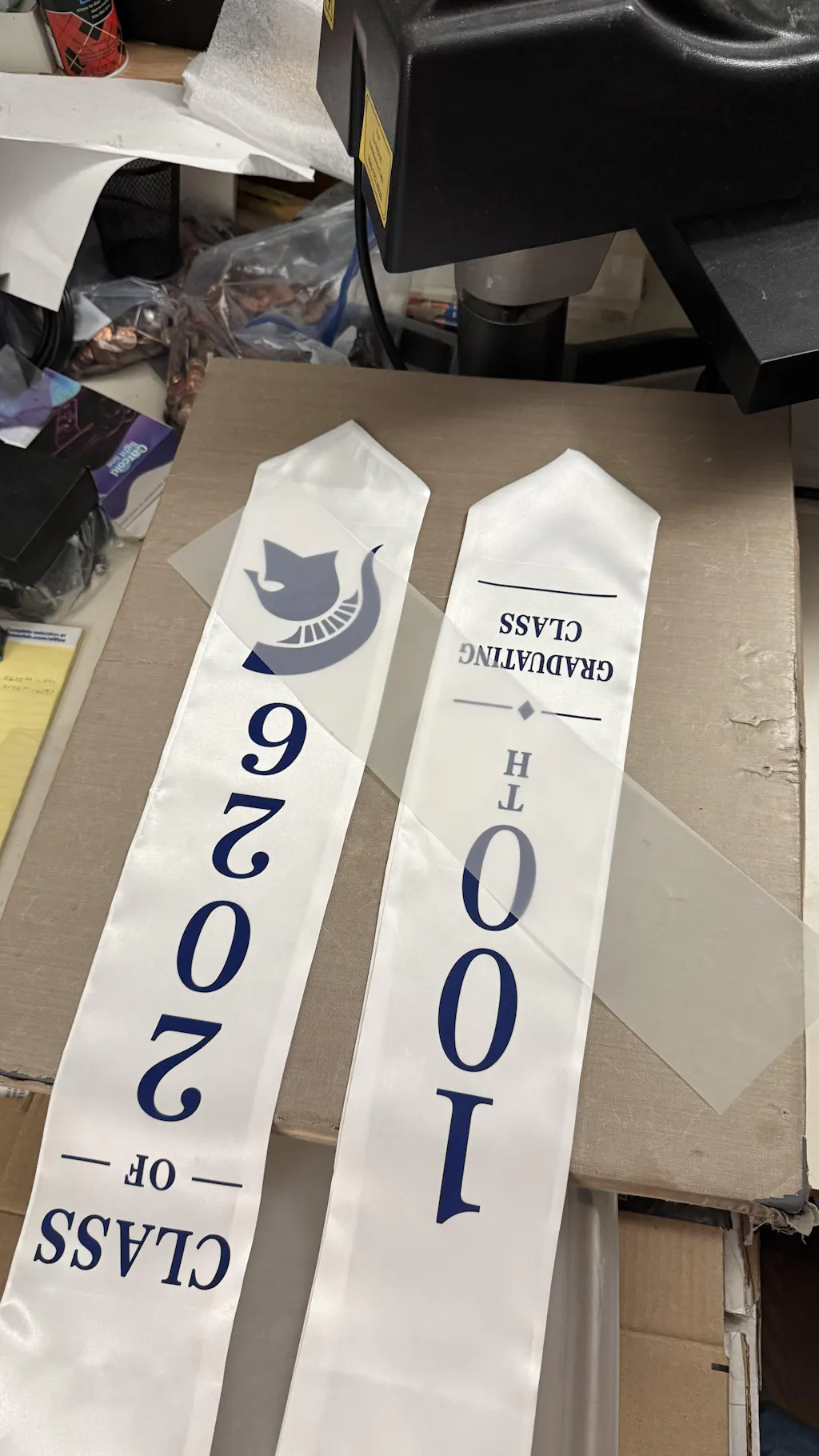
Digital Solutions Boost Market Share in Textile Printing
The global industry for textile printing is undergoing a massive transformation. Traditional methods like screen printing are rapidly losing ground to agile digital solutions. Technologies like Direct to Film (DTF) are leading this charge, allowing businesses to capture more market share with less effort.
Digital solutions offer speed, precision, and the ability to handle small orders profitably. This shift is not just a trend; it is a fundamental change in how custom apparel is produced and sold worldwide.
To stay ahead in the evolving textile printing market, using high-performance
1. Why Digital Solutions are Winning
Digital innovation has removed the barriers to entry for many entrepreneurs. It has also allowed established print shops to scale their operations without increasing labor costs.
-
No Setup Costs: Unlike old methods, there are no screens to burn or emulsions to clean.
-
Complex Designs: Digital printers can handle gradients and thousands of colors effortlessly.
-
On-Demand Production: You can print a single t-shirt as profitably as a hundred.
-
Reduced Waste: Modern textile printing processes use less water and fewer chemicals.
2. DTF: The Game-Changer for Market Share
Direct to Film (DTF) technology has become the preferred choice for businesses looking to expand. Its versatility across different fabric types gives owners a competitive edge in the textile print industry.
-
Fabric Versatility: DTF works on cotton, polyester, nylon, and blends.
-
Durability: The transfers are highly stretchable and resist cracking.
-
Inventory Management: You can print transfers in advance and store them until an order arrives.
For hard-surface market opportunities, such as branding mugs or electronics,
3. Speed to Market and Customization
In today’s fast-paced world, customers want their orders immediately. Digital textile print allows for rapid prototyping and overnight shipping, keeping you ahead of the competition.
-
Rapid Turnaround: A design can go from the computer to a finished garment in minutes.
-
Personalization: Adding individual names or unique numbers to jerseys is now automated.
-
Small Batch Profitability: Businesses can target niche markets that were previously too expensive to serve.
4. Automation and Efficiency
Modern digital printers are smarter and more efficient. Automation in the textile printing workflow reduces human error and maximizes uptime.
-
Automated Shakers: Modern machines apply and cure powder without manual intervention.
-
Consistency: Digital files ensure that a reprint today looks exactly like the print from six months ago.
-
Scalability: It is easier to add a second digital printer than it is to expand a screen printing line.
Join the Fast DTF Transfer Community
At Fast DTF Transfer, we help businesses leverage digital solutions to dominate their local markets. We provide the equipment, the supplies, and the technical knowledge to ensure your success.
Follow us for the latest industry insights and technology updates:
-
Facebook:
Fast DTF Print Official -
Instagram:
@fastdtftransfer -
YouTube:
Fast DTF Transfer Channel -
TikTok:
@fastdtftransfer