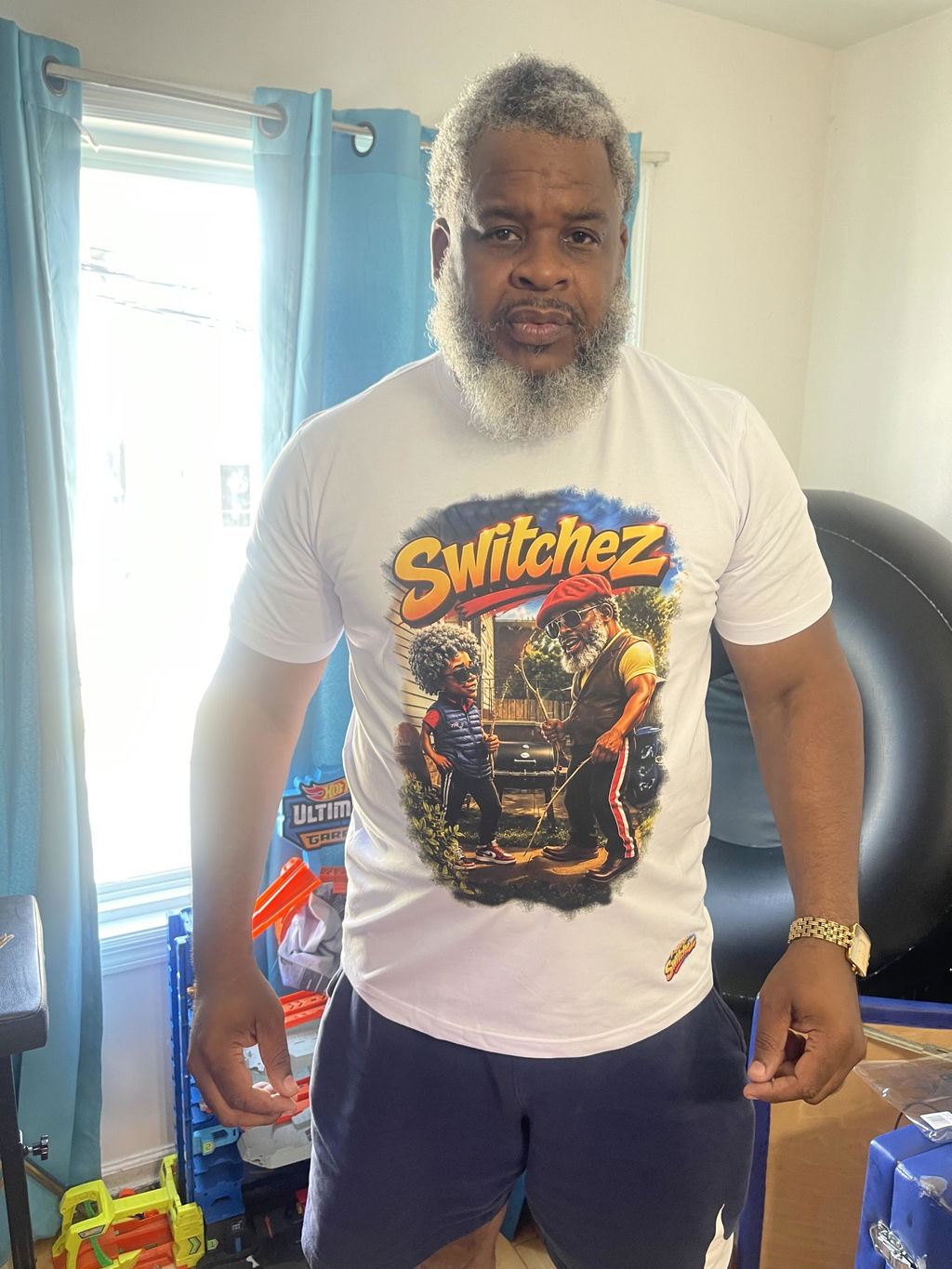
DTF printing has quickly become one of the most popular methods in the custom apparel industry. Businesses, hobbyists, and clothing brands are adopting this technology because it offers excellent print quality, vibrant colors, and compatibility with a wide range of fabrics.
If you have been wondering what DTF printing is and why it has become such a significant part of garment decoration, this guide will explain everything you need to know.
Whether you are starting a clothing brand, running a print shop, or creating custom apparel for personal projects, understanding DTF printing can help you make better decisions for your business.
What Is DTF Printing?
DTF stands for Direct-to-Film printing. It is a digital printing process where a design is printed onto a special PET transfer film, coated with adhesive powder, cured, and then heat pressed onto a garment. Unlike traditional methods, the design is not printed directly onto the fabric. Instead, it is first created on a film and then transferred to the final product using heat and pressure. DTF printing works on cotton, polyester, blends, nylon, denim, and many other materials. This versatility is one of the main reasons for its rapid growth in the apparel industry.
For businesses looking for professional ready-to-press transfers, Fast DTF Transfer offers high-quality options through their DTF transfer collection:
https://www.fastdtftransfer.com/products/dtf-transfers-by-size
You can also explore the company homepage for additional products and services:
https://www.fastdtftransfer.com/
How Does DTF Printing Work?
The DTF process consists of several simple but highly effective steps.
Step 1: Create the Artwork
Every project begins with digital artwork. Designers typically use professional graphic design software to create logos, illustrations, text, or full-color graphics.
The artwork can include:
-
Photographs
-
Gradients
-
Complex color combinations
-
Fine details
-
Small text
Step 2: Print Onto Transfer Film
The design is printed onto a coated PET film using specialized DTF inks.
Unlike traditional garment printing methods, DTF printers use:
-
Cyan
-
Magenta
-
Yellow
-
Black
-
White ink
The white ink layer helps maintain vibrant colors on both light and dark garments.
Step 3: Apply Adhesive Powder
After printing, a hot-melt adhesive powder is applied to the wet ink.
This powder only sticks to the printed areas of the design.
The adhesive layer is responsible for creating a strong bond between the transfer and the garment.
Step 4: Cure the Transfer
The transfer is heated to melt and activate the adhesive powder.
Once cured, the design becomes a ready-to-press transfer.
Many commercial DTF operations automate this stage using curing ovens and powder shakers.
Step 5: Heat Press the Transfer
The finished transfer is placed onto the garment and pressed using a heat press.
After the pressing cycle is complete, the carrier film is removed.
The result is a vibrant, durable print with excellent detail and flexibility.
Why Is DTF Printing So Popular?
DTF printing solves many limitations associated with older decoration methods.
Several benefits have contributed to its growing popularity.
Works on Multiple Fabrics
One of the biggest advantages of DTF printing is material compatibility.
DTF transfers can be applied to:
-
Cotton
-
Polyester
-
Poly blends
-
Tri-blends
-
Nylon
-
Canvas
-
Denim
-
Performance fabrics
Many competing technologies have restrictions regarding fabric types.
DTF eliminates most of those limitations.
Excellent Color Vibrancy
The white underbase helps colors remain bright and vivid.
This makes DTF particularly effective on:
-
Black shirts
-
Dark hoodies
-
Colored garments
-
Performance apparel
Designs retain strong visual impact regardless of garment color.
No Weeding Required
Unlike heat transfer vinyl (HTV), DTF does not require manual weeding.
This significantly reduces labor time and improves production efficiency.
Suitable for Small Orders
DTF is ideal for:
-
One-off custom shirts
-
Small business orders
-
Personalized apparel
-
Print-on-demand products
There are no screen setup fees, making short runs economical.
Fast Turnaround Times
Many businesses prefer DTF because transfers can be printed in advance and stored until needed.
This allows:
-
Faster production
-
Simplified inventory management
-
Efficient order fulfillment
DTF Printing vs Screen Printing
Screen printing has been an industry standard for decades.
However, DTF offers several advantages.
Screen Printing Strengths
-
Cost-effective for large runs
-
Durable prints
-
Excellent for simple designs
Screen Printing Limitations
-
Setup costs
-
Longer preparation times
-
Less practical for small orders
-
Difficult color gradients
DTF Printing Advantages
-
No screens required
-
Full-color graphics
-
Better for short runs
-
Faster setup
-
Easier customization
For businesses handling frequent custom orders, DTF often provides greater flexibility.
Learn more about screen printing on Wikipedia:
https://en.wikipedia.org/wiki/Screen_printing
DTF Printing vs DTG Printing
DTG stands for Direct-to-Garment printing.
Although both methods are digital, they operate differently.
DTG Printing
DTG prints directly onto fabric.
Benefits include:
-
Soft hand feel
-
Excellent detail
-
Direct application
Limitations include:
-
Garment pretreatment
-
Fabric restrictions
-
Slower production on dark garments
DTF Printing
DTF transfers are created first and then applied.
Benefits include:
-
Greater fabric compatibility
-
No pretreatment
-
Easier storage
-
More production flexibility
Many apparel businesses now use both technologies depending on project requirements.
What Are DTF Transfers?
A DTF transfer is a completed design printed on transfer film and prepared for heat pressing.
Instead of investing in expensive equipment, many businesses purchase ready-to-press transfers from specialized providers.
Benefits include:
-
Lower startup costs
-
Professional print quality
-
No equipment maintenance
-
Faster production
If you need professional transfers ready for application, visit:
https://www.fastdtftransfer.com/products/dtf-transfers-by-size
What Are Gang Sheets?
Gang sheets allow multiple designs to be arranged on a single transfer sheet.
This method helps maximize material usage and reduce costs.
Gang sheets are popular for:
-
Small business orders
-
Multiple logo runs
-
Brand merchandise
-
Event apparel
Benefits include:
-
Reduced waste
-
Lower production costs
-
Better workflow efficiency
Is DTF Printing Durable?
Durability is one of the strongest selling points of DTF technology.
When properly applied:
-
Colors remain vibrant
-
Designs resist cracking
-
Transfers remain flexible
-
Prints withstand repeated washing
Many modern DTF systems can achieve durability exceeding 50 washes while maintaining quality.
Proper application and washing instructions remain important for long-term performance.
Industries Using DTF Printing
DTF has expanded beyond traditional t-shirt decoration.
Today it is used across many industries.
Apparel Brands
Independent clothing brands use DTF to launch products without investing in large inventory quantities.
Print Shops
Local decorators use DTF to increase production flexibility.
Promotional Products
Businesses produce:
-
Branded apparel
-
Event merchandise
-
Marketing giveaways
Sports Teams
Teams use DTF for:
-
Uniform customization
-
Fan merchandise
-
Event apparel
Ecommerce Stores
Print-on-demand sellers benefit from DTF's flexibility and low setup costs.
Common Applications of DTF Printing
DTF can be applied to many products.
Popular examples include:
-
T-shirts
-
Hoodies
-
Sweatshirts
-
Polo shirts
-
Tote bags
-
Jackets
-
Hats
-
Workwear
-
Athletic apparel
Its versatility makes it one of the most adaptable decoration methods available.
Environmental Considerations
Many manufacturers continue improving DTF technology.
Recent developments include:
-
Reduced waste systems
-
Improved powder efficiency
-
More sustainable production workflows
Businesses should still follow proper disposal guidelines for films, inks, and powders.
Who Should Use DTF Printing?
DTF is an excellent choice for:
Small Businesses
Low startup costs make it accessible for entrepreneurs.
Clothing Brands
Perfect for limited collections and frequent design changes.
Print-On-Demand Sellers
Supports quick fulfillment and customization.
Established Print Shops
Adds flexibility alongside screen printing and DTG.
Hobbyists
Allows high-quality custom apparel production without large investments.
Future of DTF Printing
Industry adoption continues to grow rapidly.
Experts expect further improvements in:
-
Print speed
-
Automation
-
Color accuracy
-
Sustainability
-
Workflow integration
As technology advances, DTF printing will likely remain one of the leading apparel decoration methods available.
Final Thoughts
DTF printing has transformed custom apparel production. It combines excellent print quality, broad fabric compatibility, strong durability, and cost-effective production. Whether you are creating one shirt or scaling a full ecommerce brand, DTF offers a flexible solution that meets modern market demands.
For businesses seeking professional ready-to-press transfers, Fast DTF Transfer provides reliable solutions that simplify production while maintaining exceptional print quality.
Explore available products here:
https://www.fastdtftransfer.com/products/dtf-transfers-by-size
Visit the main website to learn more:
https://www.fastdtftransfer.com/
As demand for custom apparel continues to grow, DTF printing remains one of the most effective technologies for delivering vibrant, durable, and professional results.