The world of custom printing has evolved rapidly. Today, achieving Apparel Brilliance is no longer reserved for large-scale factories. Whether you are a small business owner or a DIY enthusiast, custom transfers provide the fastest and most reliable way to create professional-grade products.
In this guide, we will explore the technology, benefits, and applications of modern transfer systems. From high-speed DTF printing to durable UV stickers, you will learn how to scale your brand with industrial-grade precision.
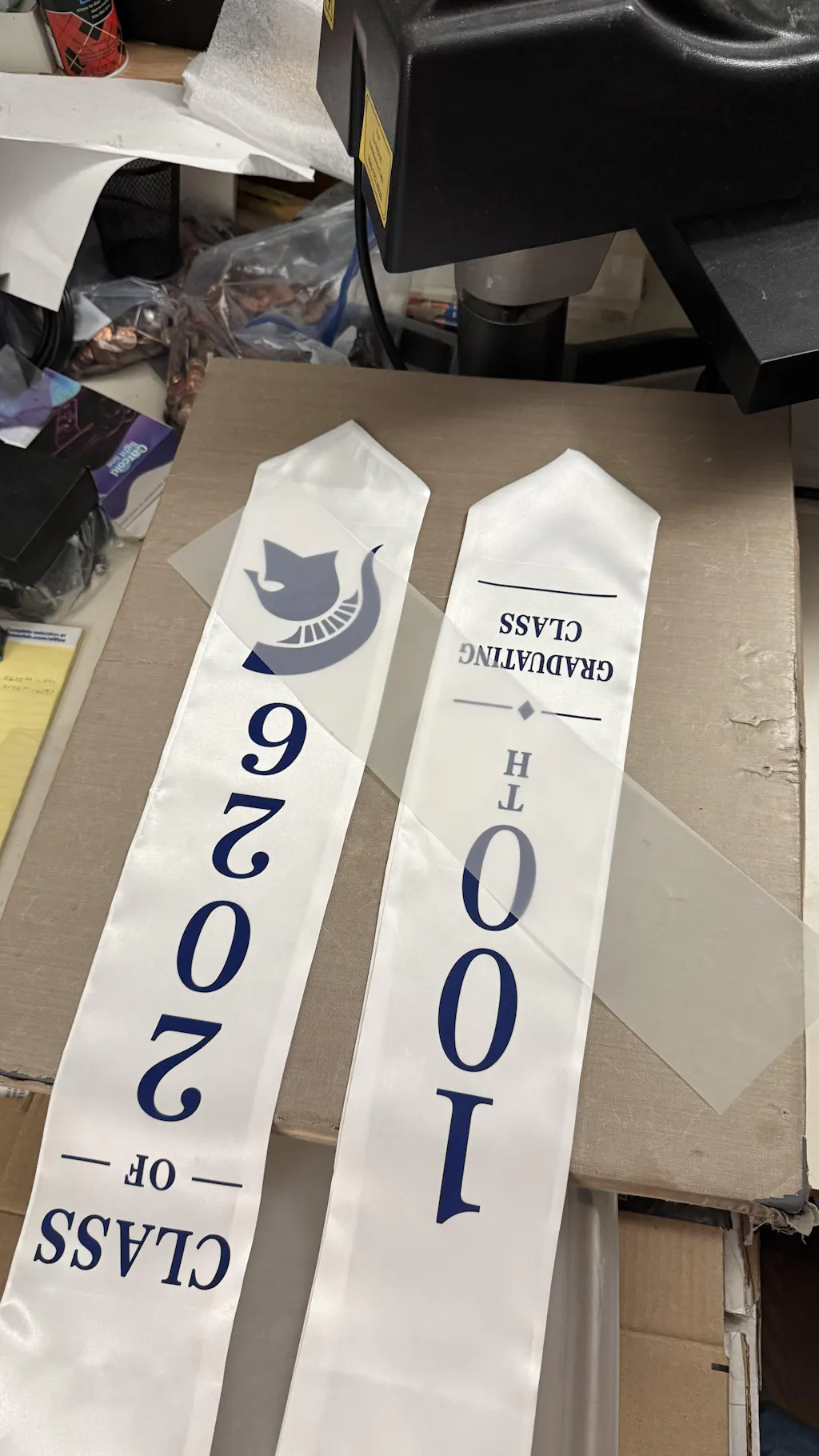
Custom transfers are pre-printed designs on a special carrier film. These designs are later applied to various surfaces—such as fabric, wood, metal, or glass—using heat or pressure.
Unlike traditional screen printing, there are no screens to wash and no messy inks to manage. You simply order your designs and press them onto your products.
Direct to Film (DTF): The industry standard for textiles.
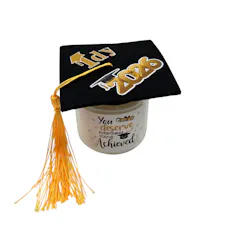
UV DTF Transfers: The revolutionary solution for hard surfaces.
Glitter and Specialty Transfers: For adding "elite" finishes like glow-in-the-dark or sparkle.
Sublimation Transfers: Ideal for light-colored polyester fabrics.
Custom DTF transfers have taken over the market for several reasons. They combine the best of both worlds: the vibrant colors of digital printing and the durability of screen printing.
No Color Limits: Print complex gradients and photographic details.
Versatility: Apply to 100% cotton, polyester, blends, and even leather.
50+ Wash Durability: These prints are engineered to withstand repeated washing without cracking.
Soft Feel: Modern best DTF powder creates a flexible, thin layer that moves with the fabric.
No Weeding Required: The technology only transfers the ink, saving hours of manual labor.
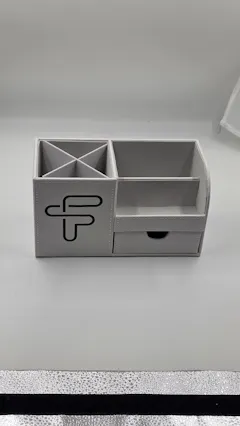
If you want to brand mugs, laptops, or water bottles, UV DTF transfers are your best friend. This technology uses UV-curable inks that bond instantly to non-porous surfaces.
3D Texture: UV ink has a slight "raised" feel, giving your products a premium, embossed look.
Industrial Strength Adhesion: Once cured, these stickers are incredibly difficult to scratch or peel.
Waterproof: Perfect for tumblers and outdoor signage.
Easy Application: No heat press required. Just peel, stick, and rub.
To reach "Apparel Brilliance," you must focus on the fine details. It starts with the hardware and ends with the application technique.
High-Resolution Files: Always use 300 DPI images for "eagle-eyed" sharpness.
Quality Ink Flow: Using specialized parts like the Ink Tube Y Connector ensures consistent pressure.
Correct Heat Settings: Standard DTF usually requires 300°F to 320°F for 10–15 seconds.
Peeling Technique: Depending on the film, you may need a "Cold Peel" or a "Hot Peel." Always follow the manufacturer's guide.
Efficiency is the secret to high profit margins. Instead of ordering single logos, professional printers use Gang Sheets.
Fill the Gaps: Place small neck labels or sleeve logos in the empty spaces between large designs.
Organize by Size: Group similar sizes together to make cutting easier.
Check Your Margins: Leave at least 0.25 inches between designs to avoid accidental cutting into a logo.
Bulk DTF Transfers: Ordering larger sheets significantly reduces the cost-per-print.
Your printer is an investment. To ensure every custom transfer is perfect, daily and weekly maintenance is mandatory.
Daily Nozzle Checks: Ensure all colors are firing correctly.
Capping Station Cleaning: Use UV DTF cleaning solution to prevent ink from drying on the rubber seals.
White Ink Agitation: White ink is heavy and can settle. Shake your tanks daily to prevent clogs.
Environmental Control: Keep your workspace between 40% and 60% humidity for optimal ink performance.
Designers often make the mistake of creating for screens rather than for print. Here is how to design for custom transfers:
Avoid Transparency: DTF needs a solid white underbase. Avoid "faded" edges or semi-transparent pixels.
Use CMYK Mode: Design in CMYK to ensure the colors you see on the screen match the final product.
Line Thickness: Ensure all lines are at least 0.02 inches thick so the adhesive has enough surface area to grab onto.
Vector is King: Whenever possible, use vector files (.AI, .EPS, or .PDF) for infinite scaling without quality loss.
Staying ahead of trends is vital for growth. Here is what customers are looking for this year:
Heather Color T-Shirts: As discussed, the "vintage" look is dominating streetwear.
Sustainable Materials: Using eco-friendly inks and recyclable films is a huge selling point.
Personalization at Scale: Custom names and numbers for local sports teams using fast DTF fulfillment.
Metallic and Neon: Bright, eye-catching finishes that stand out in social media photos.
Even pros make mistakes. Avoid these common pitfalls to save time and money:
Moisture in the Film: If your film feels "oily" or the ink is bubbling, you have too much moisture. Pre-press your garment to remove steam.
Too Much Pressure: Excessive pressure can "bury" the ink into the fabric, making the colors look dull.
Expired Adhesive: Old DTF powder can lose its stickiness, leading to peeling after a few washes.
Incorrect Surface Cleaning: For UV DTF, always clean the surface with alcohol first to remove finger oils.
Custom transfers are more than just a printing method; they are a bridge between creativity and commerce. By mastering DTF printing, maintaining your hardware, and choosing the right sizes, you can build a brand that lasts.
Please Click to get UV DTF Printers.
Please Click to get Build Your Own UV DTF Gang Sheets


Your cart is empty