What is DTF Printing? The Ultimate Guide to the Future of Digital Textiles
The textile industry is undergoing a massive transformation driven by speed, flexibility, and digital innovation. At the heart of this revolution is DTF (Direct to Film) printing. By eliminating the complexity of traditional screen printing and the fabric limitations of DTG, this method offers unlimited possibilities for boutique creators and industrial facilities alike.
In this comprehensive guide, we will explore everything from the technical mechanics of DTF to its market advantages and professional application secrets.
1. What is DTF (Direct to Film) Printing?
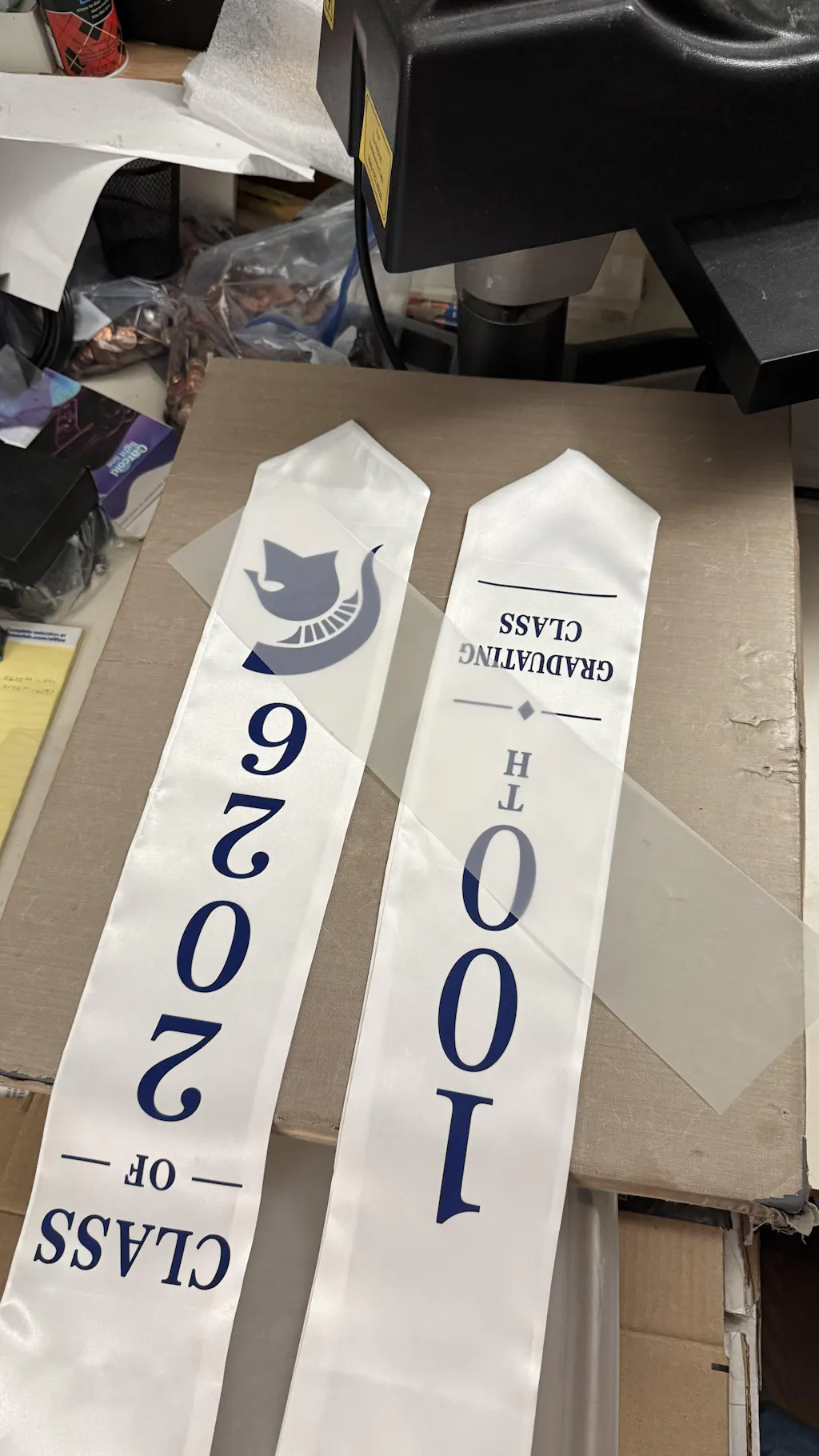
DTF (Direct to Film) is a digital process where a design is printed onto a special clear PET film. This print is then coated with an adhesive powder and transferred onto the fabric using a heat press.
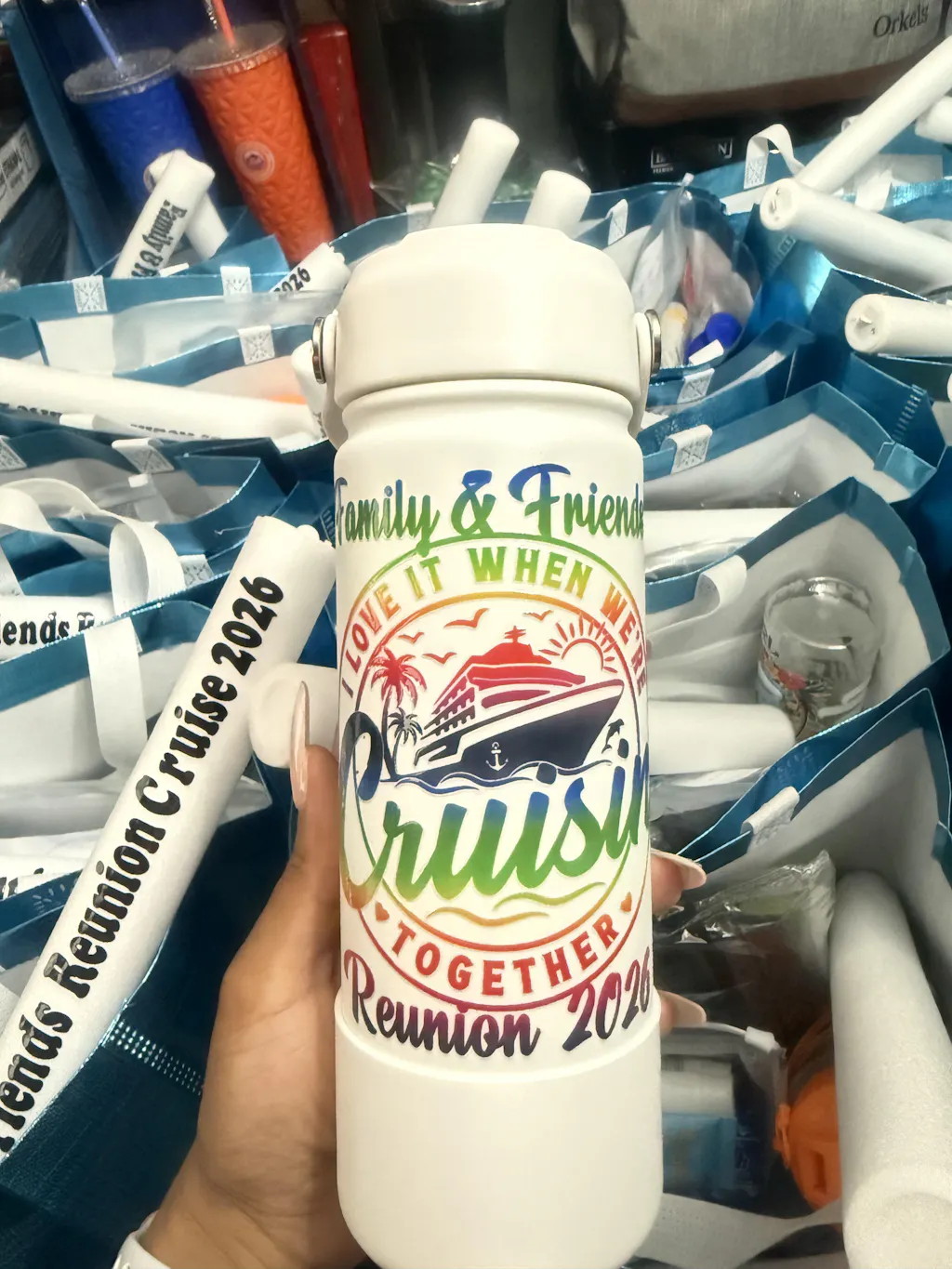
The reason this technology is revolutionary is its universal compatibility. Whether it is cotton, polyester, nylon, or leather, DTF works on almost any surface. If you are looking for high-quality professional designs for your business, explore our Custom DTF Transfers collection to see the power of vibrant digital prints.
2. How Does DTF Printing Work? (Step-by-Step)
The DTF process requires less pre-treatment than other digital methods but demands a precise workflow during the application stages.
A. Design and Preparation
Everything starts with a digital file. It is critical that the design has a transparent background (PNG format). To reduce costs and maximize your print area, using a professional Gang Sheet Builder allows you to arrange multiple designs onto a single film efficiently.
B. Printing onto PET Film
The printer first lays down the colored inks (CMYK). Immediately after, a layer of white ink is added on top. This white layer acts as the "base," ensuring the design stays vivid even on dark-colored fabrics.
C. Powdering and Curing
While the ink is still wet, a polyamide adhesive powder is applied. This powder sticks to the ink to create a bonding layer. The film then enters an oven where the powder melts and cures.
D. The Transfer Process
The prepared film is placed on the garment and applied with a heat press. The most important detail here is the correct heat and pressure settings. To master these technical details, be sure to read our guide on How to Press DTF.
3. Why Choose DTF Printing? (Key Advantages)
Why should you switch to DTF technology? Here are the primary benefits:
- Fabric Versatility: It works seamlessly on cotton, synthetics, or blended fabrics.
- No Pre-treatment: Unlike DTG, you don't need to spray garments with chemicals before printing.
- High Elasticity: The prints stretch with the fabric, preventing cracking or peeling.
- Cost-Effective: There are no setup costs, even for small custom orders.
- Local Accessibility: To get your hands on high-quality prints quickly, check out DTF Transfers Near Me for fast service.
4. DTF vs. Screen Printing: Which is Right for You?
While traditional screen printing remains popular for massive bulk orders, DTF is taking over in many other areas.
- Setup: Screen printing requires a separate screen for every color, while DTF only needs a digital file.
- Detail: DTF excels at photographic details and fine lines that are difficult for screens to replicate.
- Speed: For small to medium-sized orders, DTF is significantly faster.
For a deeper technical comparison, visit our detailed post on DTF vs Screen Printing.
5. Main Application Areas for DTF
DTF isn't just for t-shirts; its versatility spans across various products:
- Sportswear: Ideal for moisture-wicking polyester jerseys.
- Accessories: Perfect for hats, tote bags, and backpacks.
- Workwear: High durability for aprons, vests, and heavy-duty overalls.
- Promotional Items: Any fabric surface requiring fast production for special events.
6. Frequently Asked Questions (FAQ)
Does DTF printing wash off?
No. When the correct pressing techniques are applied, DTF prints can last for 50+ washes while maintaining their original color and integrity.
How should I store PET films?
Printed films that haven't been transferred yet should be stored in a cool, dry place. They can stay viable for months without losing quality.
What is the best file format?
For the highest resolution results, use 300 DPI PNG files with transparent backgrounds.
Conclusion
DTF printing technology provides the most efficient gateway to the textile world for both professionals and beginners. With the right equipment, high-quality transfer films, and proper application, you can take your brand to the next level.
To bring your own designs to life today, visit our Custom DTF Transfers page and experience the difference of premium digital printing!