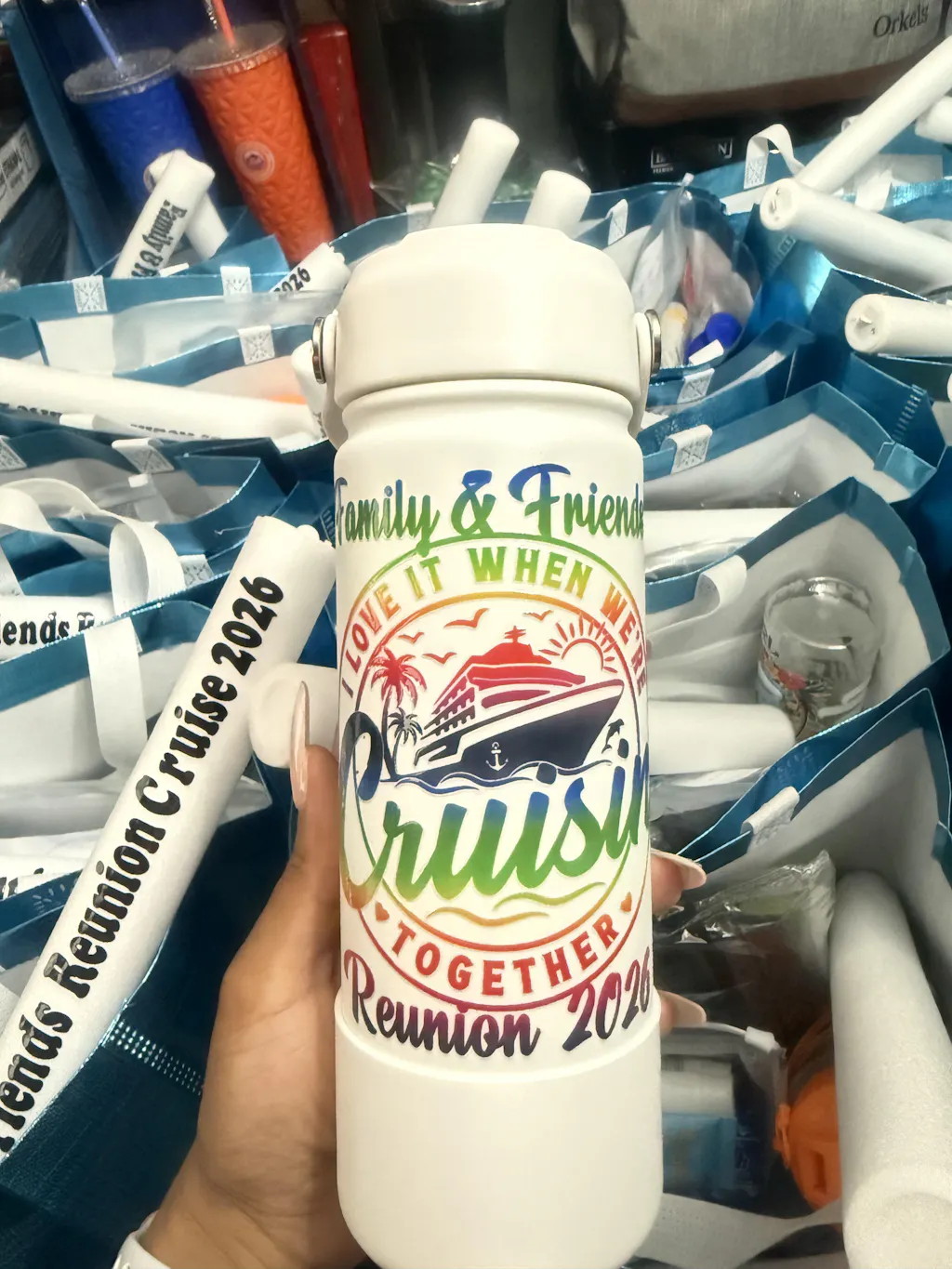
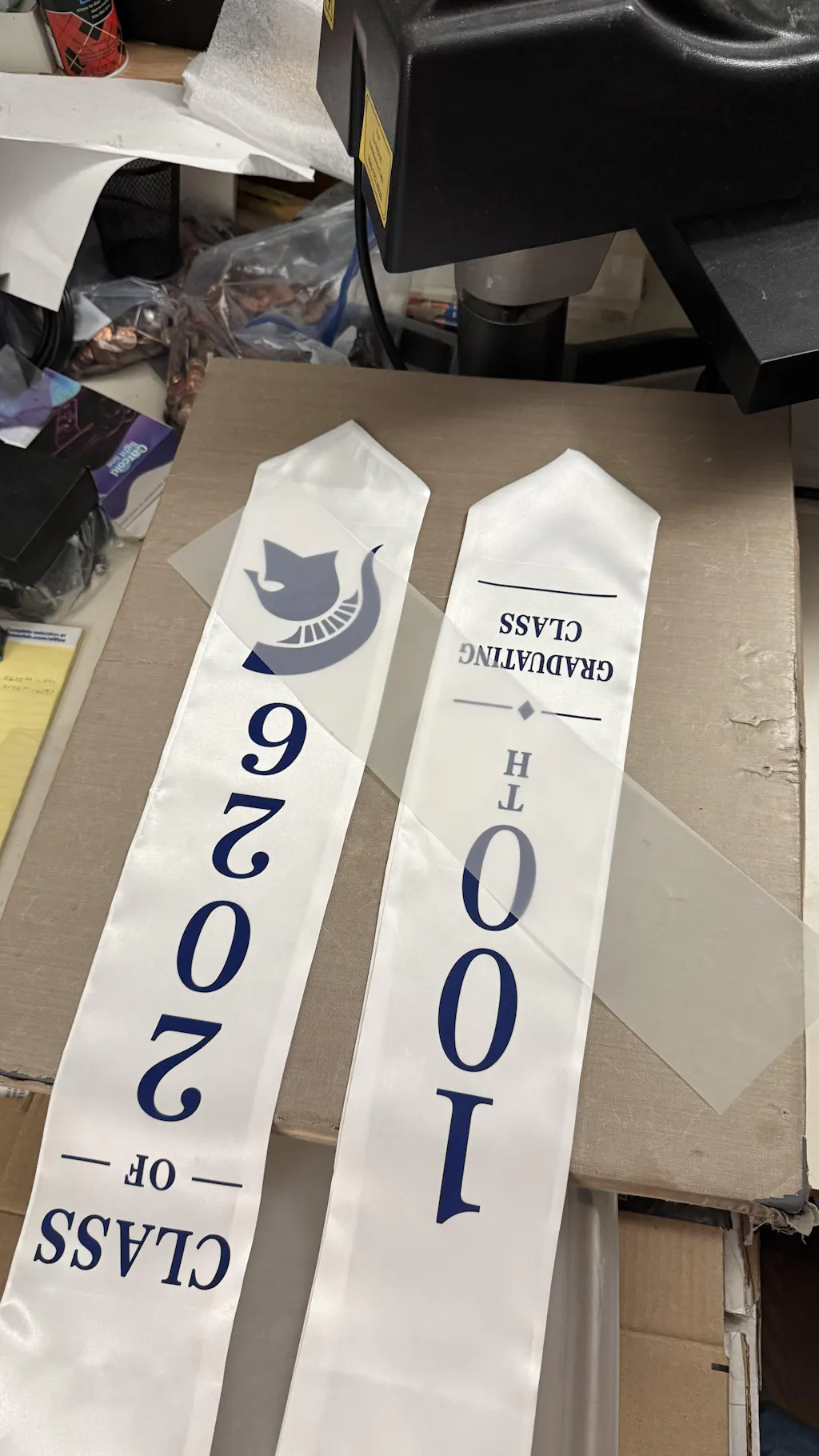
DTF Printing Process DTF (Direct to Film) printing is a modern textile printing method.
It allows you to transfer designs onto fabric using a special film and adhesive powder.
Unlike traditional methods, DTF does not require pretreatment.
It works on cotton, polyester, blends, and more.
For a deeper technical explanation of printing methods, you can explore Digital printing overview.
DTF has quickly become a favorite in the custom apparel industry.
It offers flexibility, durability, and vibrant colors.
Why Choose DTF Printing?
DTF printing is growing fast for several reasons.
- Works on almost all fabrics
- No weeding required
- High color accuracy
- Durable and stretch-resistant prints
- Cost-effective for small and large runs
If you want ready-to-use transfers, you can explore:
👉 Fast DTF Transfer official site
Or browse pre-made designs here:
👉 DTF Transfer Collection
Step-by-Step DTF Printing Process
1. Creating the Design


The process starts with a digital design.
Use software like Photoshop or Illustrator.
The design must have a transparent background.
Color accuracy is very important.
DTF printers use CMYK plus white ink.
Keep these tips in mind:
- Use high resolution (300 DPI)
- Convert text to outlines
- Avoid overly thin lines
- Ensure proper color profiles
2. Printing on PET Film


The design is printed onto PET film.
First, color layers are printed.
Then, a white ink layer is added underneath.
This white layer makes colors pop on dark fabrics.
Important details:
- Print on the coated side of the film
- Mirror the design before printing
- Use proper ink settings
3. Applying Adhesive Powder


After printing, adhesive powder is applied.
The powder sticks only to the wet ink areas.
Steps:
- Sprinkle powder evenly
- Shake off excess powder
- Ensure full coverage
This powder acts as the glue.
It bonds the design to the fabric during pressing.
4. Curing the Film


Now the film must be cured.
Heat melts the adhesive powder.
This creates a ready-to-transfer design.
You can use:
- A curing oven
- A heat press hovering method
Typical settings:
- 160–170°C
- 2–5 minutes
After curing, the film is stable and ready.
5. Heat Press Transfer


This is the final step.
Place the film onto the garment.
Press it using a heat press.
Typical settings:
- Temperature: 150–165°C
- Time: 10–15 seconds
- Medium to firm pressure
After pressing:
- Let it cool (or hot peel if applicable)
- Remove the film
- Press again for 5 seconds
This final press improves durability.
Fabric Compatibility
DTF works on many materials.
- Cotton
- Polyester
- Blends
- Nylon
- Denim
This flexibility makes DTF very powerful.
It eliminates many limitations of other methods.
Common Mistakes to Avoid
Many beginners face issues.
Here are the most common ones:
Poor Adhesion
Cause: Low pressure or incorrect temperature
Fix: Adjust heat press settings
Cracking Prints
Cause: Incorrect curing
Fix: Ensure proper powder melting
Dull Colors
Cause: Weak white ink layer
Fix: Improve printer calibration
Powder Issues
Cause: Uneven application
Fix: Shake thoroughly and evenly
DTF vs Other Printing Methods
DTF is often compared with:
Screen Printing
- Better for bulk
- More setup required
DTG (Direct to Garment)
- Requires pretreatment
- Limited fabric compatibility
Heat Transfer Vinyl (HTV)
- Requires cutting and weeding
- Not ideal for complex designs
DTF combines the best of all.
It offers flexibility and efficiency.
Equipment Needed for DTF Printing
To start DTF printing, you need:
- DTF printer
- PET film
- DTF inks
- Adhesive powder
- Heat press
- Curing oven (optional)
If you prefer skipping production,
you can order ready-made transfers:
Tips for Professional Results
Consistency is key in DTF printing.
Follow these tips:
- Always test before production
- Maintain your printer regularly
- Use high-quality materials
- Store films in dry conditions
- Keep humidity under control
Small adjustments can make big differences.
Is DTF Printing Profitable?
Yes, very.
DTF is ideal for:
- Small businesses
- Custom apparel brands
- Print-on-demand services
Low setup cost makes it attractive.
High-quality output keeps customers happy.
Final Thoughts
DTF printing is one of the most versatile printing methods today.
It is easy to learn.
It delivers professional results.
Whether you produce transfers or buy them ready-made,
DTF can scale with your business.
To get started quickly, explore:
👉 Fast DTF Transfer homepage
And check available designs:
👉 DTF transfer products